
CC and CL Bearing Seals – The Problem-Solvers
Perfect for use in sea water and other harsh environments!
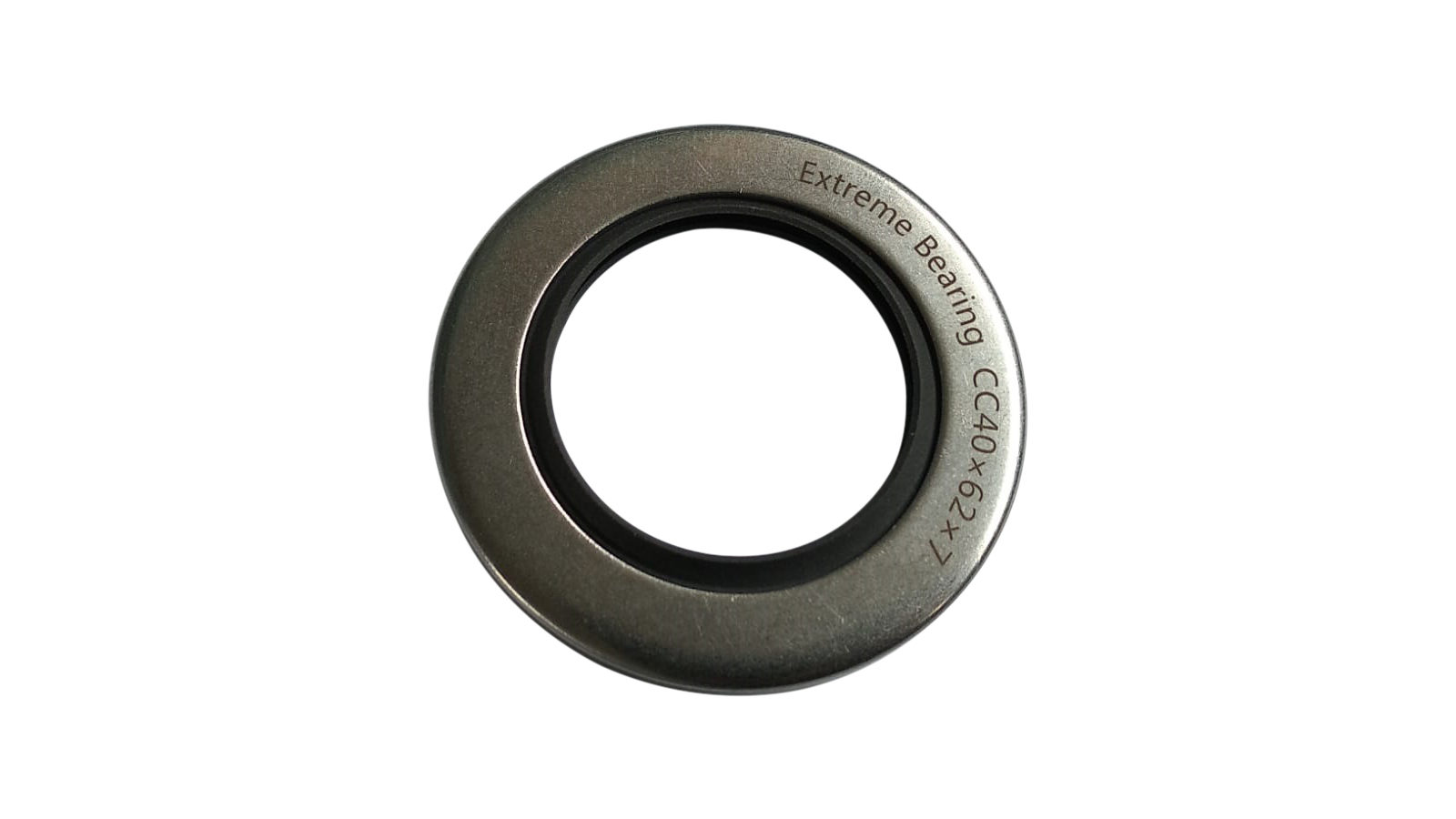
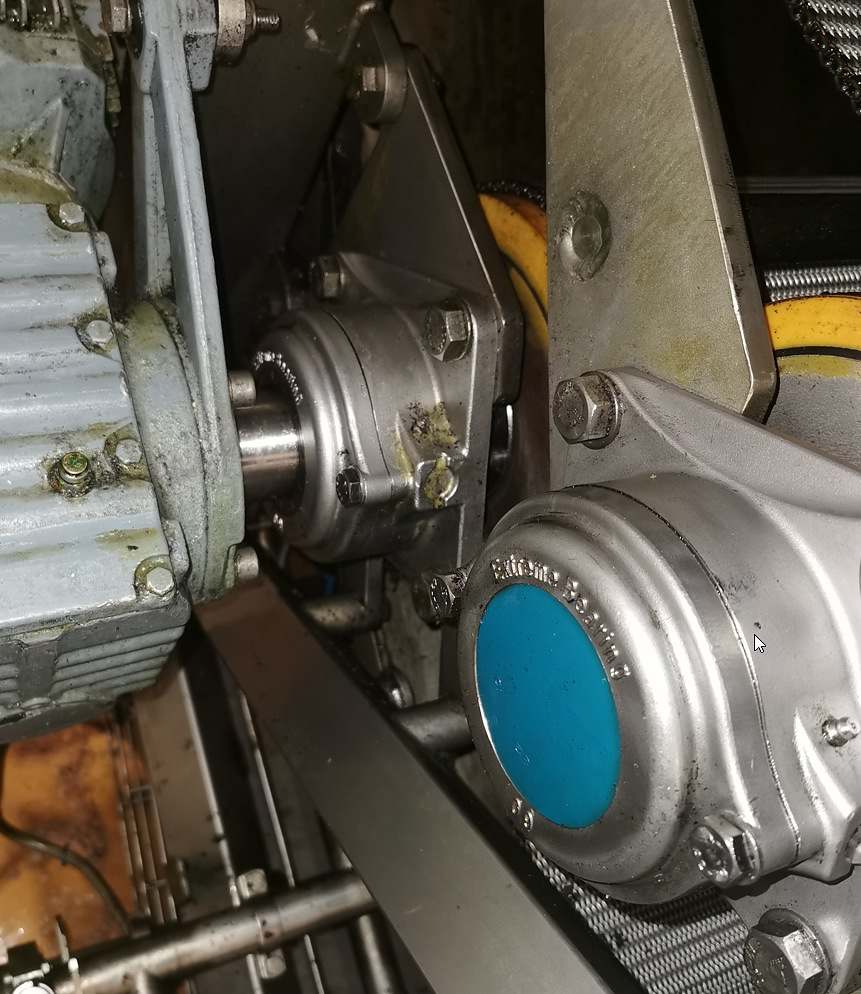
The combination of bearing shaft seals featuring a PTFE sealing lip and a stainless steel (grade 316) housing make this sealing solution a good option for difficult and extreme conditions. Ideal for use underwater at sea, in dirty environments, for applications with corrosive chemicals or extreme temperatures. There are two types of PTFE seal available and one of them is maintenance-free for the lifetime of the bearing unit – so grease it and forget it!
Key Properties
PTFE does not age, it is UV resistant, flame retardant and not hygroscopic. The water absorption is less than 0.01%. PTFE does not melt and is therefore not suitable for injection moulding. In addition, PTFE has the following properties:
- Dual or triple PTFE sealing lip
- Works under high pressure up to 40 bar
- Suitable for unhardened shafts as well
- The ideal choice for high speeds of up to 30 m/s
- For wide temperature range from −79°C up to 260°C
- Excellent chemical resistance
- Suitable for food and pharma applications (FDA-approved)
- Good dry running capability
- Wear-resistant and low friction
- Greatest resistance to fatigue
- Flame resistant – UL94V0
- Antistick properties
- Low co-efficient of friction
- UV-resistant (does not age)
- Not hygroscopic (water absorption < 0.01%)
- Very good dielectric insulation properties
Two Types of PTFE Seals
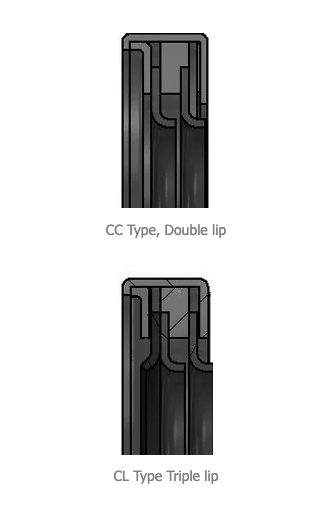
These seals are useful for problematic applications such as where temperatures are extreme or chemical resistance is needed. Extreme Bearing supplies two standard types of PTFE lip seals.
CC flushes dirt away
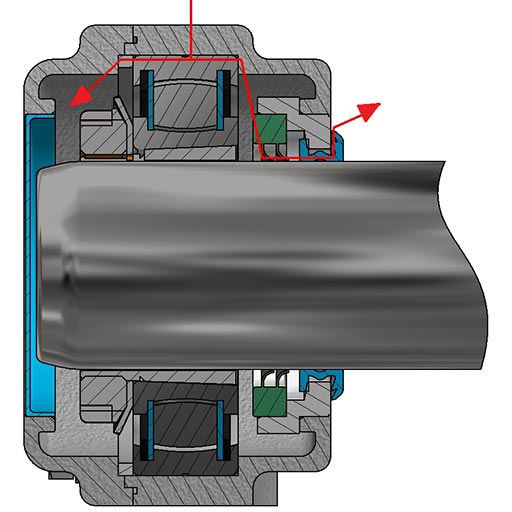
The CC type is the version with two lips placed on the outside to keep the elements and unwanted contaminants out of the bearing housing. When the housing is filled up with grease, the lips will release the excess grease and discharge the contamination from the sealing surface.
CL is maintenance-free
Where as CL type cannot flush away the contamination from the sealing surface because this seal is equipped with an additional third lip intended to keep the grease inside. The nature of the PTFE material makes it possible for the other two sealing lips to work effectively without lubrication. This makes the CL seal unique for bearing assemblies because it does not need to be regreased and therefore is maintenance-free.
Limited Seal Lift Prevents Penetration of Dirt
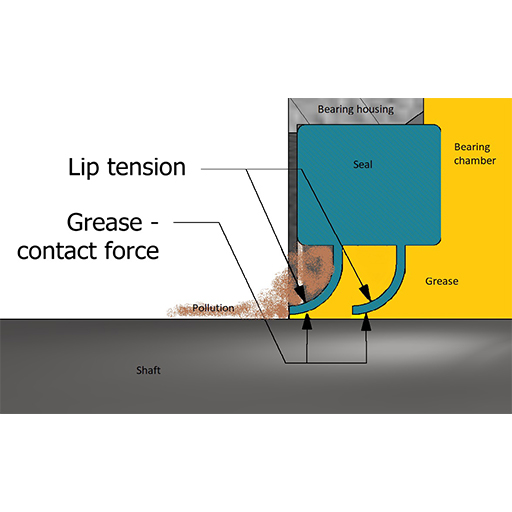
Normal stresses in the grease, due to the high shear rates in the shaft area or in the seal contact area, generate a contact force on the seal lip. This is in addition to the lift generated by elastohydrodynamic lubrication. Because of the overall design of the seal, this lift effect will be limited. Therefore the PTFE lips fit more tightly and with more tension around the shaft. This makes it more difficult for dirt to get under the lip and wear a groove into the shaft.
Double protection
In grease-lubricated Extreme Bearings such as the CC seal, it is not only the small gap between the seal lip and the shaft that provides sealing against contaminants. The grease in between the sealing lips also provides a sealing action.
Shaft Hardening Recommendation for CC and CL Seals
To prevent shaft wear in contact with the CC and CL seal, we recommend localized hardening of the shaft in the area where the seal is positioned. A minimum hardness of 45 HRC is advised, with a potential increase up to 60 HRC depending on the application conditions and operating environment. This hardening will ensure optimal performance and longevity of both the seal and the shaft.
PTFE Makes a Poor Material Against Abrasive Contamination
Even though PTFE seals make a great material to protect the bearing against liquids, PTFE makes a poor material against abrasive contamination. PTFE material will wear out fast if abrasive material is present. Therefore we recommend to protect these seals with a HS seal protector ring.
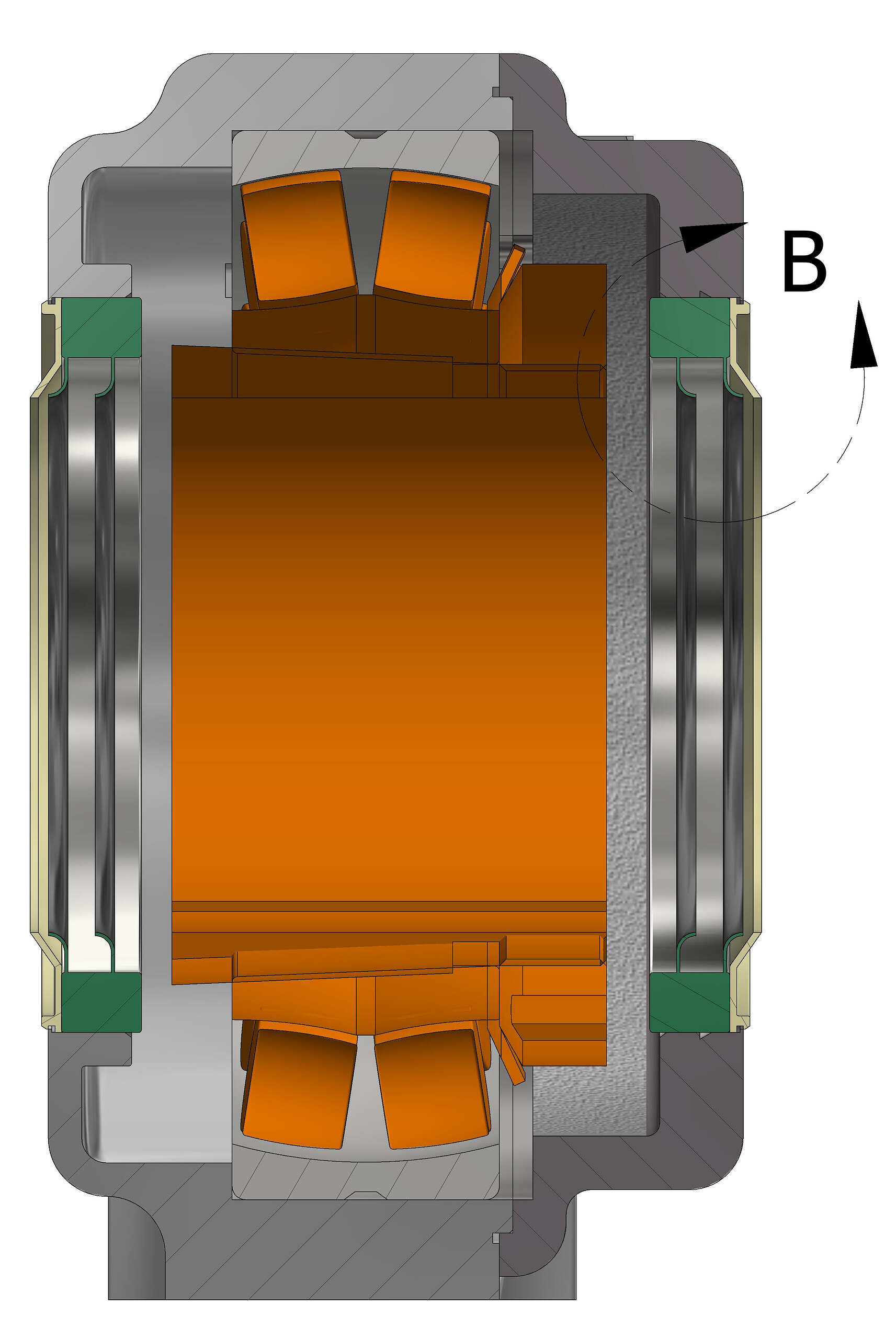
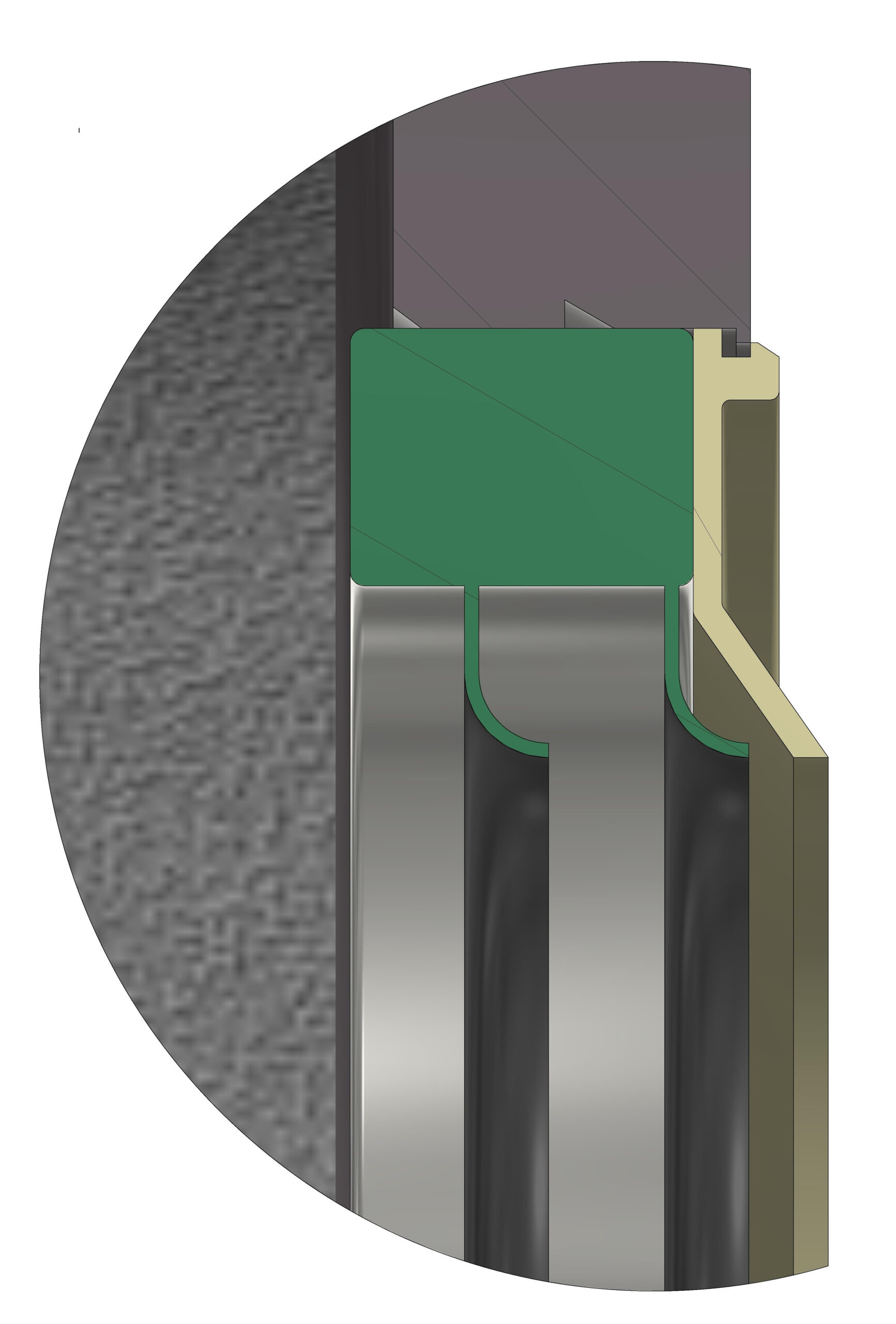

HS Seal protection ring to be mounted in front of other seals to protect these against coarse dirt and external violence.
Examples of Grease Diagrams Using CC and CL Seals
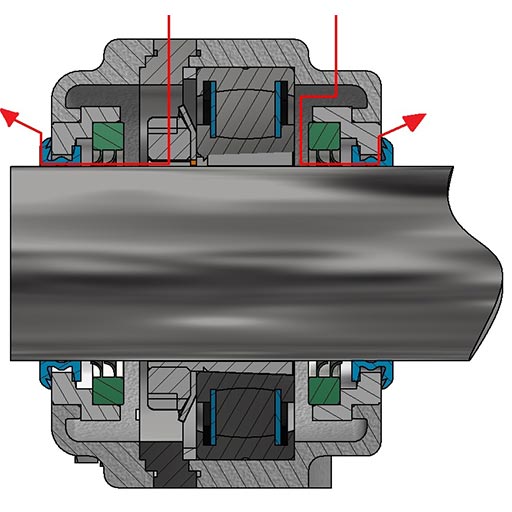
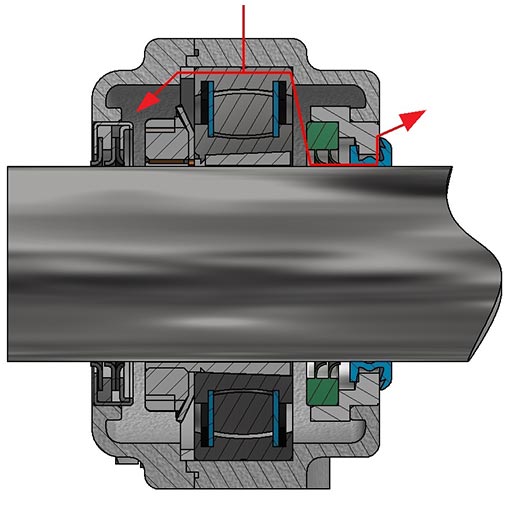
If the contamination is only on one side of the bearing unit, a seal combination such as those shown in the diagrams can be chosen. By refilling the grease on this side, it will flow and be released from the bearing housing and the contamination along with the grease will flow away from the sealing lips.
What These Seals Resist – PTFE (CC / CL Seals)
The list below shows the chemicals, fluids and gases against which the PTFE sealing element of CC and CL seals is resistant. A check mark in a temperature column means the seal can handle that medium at that temperature. Empty cells indicate no recommendation or no data for that temperature.
Indicative values based on industry compatibility charts (Parker O-Ring Handbook, Trelleborg, ERIKS). The end user is responsible for validating suitability for their specific application — concentration, pressure, mechanical stress and exposure time matter. When in doubt, contact Extreme Bearing for a tailored recommendation.
Waiver
Actual properties may change due to processing method, compound type, extruded dimensions and other variables. It is the user's responsibility to evaluate and fully test the suitability of the product for their specific application.
| Chemical | 20°C / 68°F | 60°C / 140°F | 100°C / 212°F |
|---|---|---|---|
| Acetaldehyde | ✓ | ✓ | ✓ |
| Benzaldehyde | ✓ | ✓ | ✓ |
| Formaldehyde (40%) | ✓ | ✓ | ✓ |
| Salicyl aldehyde | ✓ | ✓ | ✓ |
| Acetic acid (10%) | ✓ | ✓ | ✓ |
| Acetic acid (glac./anh.) | ✓ | ✓ | ✓ |
| Acetic anhydride | ✓ | ✓ | ✓ |
| Ascorbic acid | ✓ | ✓ | ✓ |
| Benzoic acid | ✓ | ✓ | ✓ |
| Citric acid | ✓ | ✓ | ✓ |
| Fatty acids (>C6) | ✓ | ✓ | ✓ |
| Formic acid | ✓ | ✓ | ✓ |
| Glycolic acid | ✓ | ✓ | ✓ |
| Lactic acid (90%) | ✓ | ✓ | ✓ |
| Maleic acid | ✓ | ✓ | ✓ |
| Oxalic acid | ✓ | ✓ | ✓ |
| Phthalic acid | ✓ | ✓ | ✓ |
| Picric acid | ✓ | ✓ | ✓ |
| Stearic acid | ✓ | ✓ | ✓ |
| Tannic acid (10%) | ✓ | ✓ | ✓ |
| Tartaric acid | ✓ | ✓ | ✓ |
| Vinegar | ✓ | ✓ | ✓ |
| Chloroacetic acid | ✓ | ✓ | ✓ |
| Cresylic acids (50%) | ✓ | ✓ | ✓ |
| Acetyl salicylic acid | ✓ | ✓ | ✓ |
| Aceto-acetic ester | ✓ | ✓ | ✓ |
| Boric acid | ✓ | ✓ | ✓ |
| Carbonic acid | ✓ | ✓ | ✓ |
| Hydrobromic acid (50%) | ✓ | ✓ | ✓ |
| Hydrochloric acid (10%) | ✓ | ✓ | ✓ |
| Hydrochloric acid (conc.) | ✓ | ✓ | ✓ |
| Hydrocyanic acid | ✓ | ✓ | ✓ |
| Hydrofluoric acid (40%) | ✓ | ✓ | ✓ |
| Hydrofluoric acid (75%) | ✓ | ✓ | ✓ |
| Nitric acid (<25%) | ✓ | ✓ | ✓ |
| Nitric acid (50%) | ✓ | ✓ | ✓ |
| Nitric acid (90%) | ✓ | ✓ | ✓ |
| Nitric acid (fuming) | ✓ | ✓ | ✓ |
| Acid fumes | ✓ | ✓ | ✓ |
| Perchloric acid | ✓ | ✓ | ✓ |
| Phosphoric acid (20%) | ✓ | ✓ | ✓ |
| Phosphoric acid (50%) | ✓ | ✓ | ✓ |
| Phosphoric acid (95%) | ✓ | ✓ | ✓ |
| Silicic acid | ✓ | ✓ | ✓ |
| Sulphuric acid (<50%) | ✓ | ✓ | ✓ |
| Sulphuric acid (70%) | ✓ | ✓ | ✓ |
| Sulphuric acid (95%) | ✓ | ✓ | ✓ |
| Sulphuric acid, fuming | ✓ | ✓ | ✓ |
| Sulphites | ✓ | ✓ | ✓ |
| Sulphonic acids | ✓ | ✓ | ✓ |
| Sulphur chlorides | ✓ | ✓ | ✓ |
| Chlorosulphonic acid | ✓ | ✓ | ✓ |
| Chromic acid (80%) | ✓ | ✓ | ✓ |
| Ammonia, anhydrous | ✓ | ✓ | ✓ |
| Ammonia, aqueous | ✓ | ✓ | ✓ |
| Caustic soda & potash | ✓ | ✓ | ✓ |
| Lime (CaO) | ✓ | ✓ | ✓ |
| Hexamethylene diamine | ✓ | ✓ | ✓ |
| Hexamine | ✓ | ✓ | ✓ |
| Hydrazine | ✓ | ✓ | ✓ |
| Monoethanolamine | ✓ | ✓ | |
| Aniline | ✓ | ✓ | ✓ |
| Pyridine | ✓ | ✓ | ✓ |
| Alum | ✓ | ✓ | ✓ |
| Aluminium chloride | ✓ | ✓ | ✓ |
| Aluminium sulphate | ✓ | ✓ | ✓ |
| Ammonium chloride | ✓ | ✓ | ✓ |
| Brines, saturated | ✓ | ✓ | ✓ |
| Bromide (K) solution | ✓ | ✓ | ✓ |
| Calcium chloride | ✓ | ✓ | ✓ |
| Chlorates of Na, K, Ba | ✓ | ✓ | ✓ |
| Chlorides of Na, K, Ba | ✓ | ✓ | ✓ |
| Copper salts (most) | ✓ | ✓ | ✓ |
| Ferric chloride | ✓ | ✓ | ✓ |
| Ferrous sulphate | ✓ | ✓ | ✓ |
| Lead acetate | ✓ | ✓ | ✓ |
| Manganate, potassium (K) | ✓ | ✓ | ✓ |
| Mercuric chloride | ✓ | ✓ | ✓ |
| Mercury | ✓ | ✓ | ✓ |
| Nickel salts | ✓ | ✓ | ✓ |
| Nitrates of Na, K and NH3 | ✓ | ✓ | ✓ |
| Nitrite (Na) | ✓ | ✓ | ✓ |
| Silver nitrate | ✓ | ✓ | ✓ |
| Sodium carbonate | ✓ | ✓ | ✓ |
| Sodium peroxide | ✓ | ✓ | ✓ |
| Sodium silicate | ✓ | ✓ | ✓ |
| Sodium sulphide | ✓ | ✓ | ✓ |
| Stannic chloride | ✓ | ✓ | ✓ |
| Sulphates (Na, K, Mg, Ca) | ✓ | ✓ | ✓ |
| Zinc chloride | ✓ | ✓ | ✓ |
| Phosphorous chlorides | ✓ | ✓ | ✓ |
| Hypochlorites | ✓ | ✓ | ✓ |
| Hypochlorites (Na 12-14%) | ✓ | ✓ | ✓ |
| Cyclohexane | ✓ | ✓ | ✓ |
| Naptha | ✓ | ✓ | ✓ |
| Petroleum spirits | ✓ | ✓ | |
| Paraffin wax | ✓ | ✓ | ✓ |
| Oils, diesel | ✓ | ✓ | ✓ |
| Oils, essential | ✓ | ✓ | ✓ |
| Oils, lubricating + aromatic additives | ✓ | ✓ | ✓ |
| Oils, mineral | ✓ | ✓ | ✓ |
| Oils, vegetable and animal | ✓ | ✓ | ✓ |
| Aromatic solvents | ✓ | ✓ | ✓ |
| Benzene | ✓ | ✓ | ✓ |
| Napthalene | ✓ | ✓ | ✓ |
| Nitrobenzene | ✓ | ✓ | ✓ |
| Phenol | ✓ | ✓ | ✓ |
| Carbon tetrachloride | ✓ | ✓ | ✓ |
| Chlorobenzene | ✓ | ✓ | ✓ |
| Chloroform | ✓ | ✓ | ✓ |
| Methylene chloride | ✓ | ✓ | ✓ |
| Trichlorethylene | ✓ | ✓ | ✓ |
| Carbon disulphide | ✓ | ✓ | ✓ |
| Acetone | ✓ | ✓ | ✓ |
| Other ketones | ✓ | ✓ | ✓ |
| Aliphatic esters | ✓ | ✓ | ✓ |
| Amyl acetate | ✓ | ✓ | ✓ |
| Butyl acetate | ✓ | ✓ | ✓ |
| Iso-butyl-acetate | ✓ | ✓ | ✓ |
| Ether | ✓ | ✓ | ✓ |
| Acetonitrile | ✓ | ✓ | ✓ |
| Alcohols | ✓ | ✓ | ✓ |
| Methanol | ✓ | ✓ | ✓ |
| Glycerine | ✓ | ✓ | ✓ |
| Glycols | ✓ | ✓ | ✓ |
| Glycol, ethylene | ✓ | ✓ | ✓ |
| Acetylene | ✓ | ✓ | ✓ |
| Benzoyl peroxide | ✓ | ✓ | ✓ |
| Bromine | ✓ | ✓ | ✓ |
| Bromine liquid, tech. | ✓ | ✓ | ✓ |
| Bromine water, saturated aqueous | ✓ | ✓ | ✓ |
| Chlorine, dry | ✓ | ✓ | ✓ |
| Chlorine, wet | ✓ | ✓ | ✓ |
| Fluorine, dry | ✓ | ✓ | |
| Hydrogen peroxide (30%) | ✓ | ✓ | ✓ |
| Hydrogen peroxide (30-90%) | ✓ | ✓ | ✓ |
| Hydrogen sulphide | ✓ | ✓ | ✓ |
| Ozone | ✓ | ✓ | ✓ |
| Fluorinated refrigerants | ✓ | ✓ | ✓ |
| Sulphur | ✓ | ✓ | ✓ |
| Sulphur dioxide, dry | ✓ | ✓ | ✓ |
| Sulphur dioxide, wet | ✓ | ✓ | ✓ |
| Sulphur dioxide (96%) | ✓ | ✓ | ✓ |
| Sulphur trioxide | ✓ | ✓ | ✓ |
| Water, distilled | ✓ | ✓ | ✓ |
| Water, soft | ✓ | ✓ | ✓ |
| Water, hard | ✓ | ✓ | ✓ |
| Sea water | ✓ | ✓ | ✓ |
| Moist air | ✓ | ✓ | ✓ |
| Beer | ✓ | ✓ | ✓ |
| Fruit juices | ✓ | ✓ | ✓ |
| Gelatine | ✓ | ✓ | ✓ |
| Meat juices | ✓ | ✓ | ✓ |
| Milk products | ✓ | ✓ | ✓ |
| Molasses | ✓ | ✓ | ✓ |
| Starch | ✓ | ✓ | ✓ |
| Sugar, syrups & jams | ✓ | ✓ | ✓ |
| Tallow | ✓ | ✓ | ✓ |
| Urea (30%) | ✓ | ✓ | ✓ |
| Yeast | ✓ | ✓ | ✓ |
| Cellulose paint | ✓ | ✓ | ✓ |
| Detergents, synthetic | ✓ | ✓ | ✓ |
| Emulsifiers, concentrated | ✓ | ✓ | ✓ |
| Silicone fluids | ✓ | ✓ | ✓ |
| Wetting agents (<5%) | ✓ | ✓ | ✓ |
| Ethanol | ✓ | ✓ | ✓ |
| Isopropanol (IPA) | ✓ | ✓ | ✓ |
| Propylene glycol | ✓ | ✓ | ✓ |
| Water/glycol coolant | ✓ | ✓ | ✓ |
| Hydraulic fluid (HL, HLP, HM, mineral) | ✓ | ✓ | ✓ |
| Hydraulic fluid HFA (oil-in-water) | ✓ | ✓ | ✓ |
| Hydraulic fluid HFC (water-glycol) | ✓ | ✓ | ✓ |
| Hydraulic fluid HFD (phosphate ester) | ✓ | ✓ | ✓ |
| Brake fluid (DOT 3/4, glycol) | ✓ | ✓ | ✓ |
| Gasoline / petrol | ✓ | ✓ | ✓ |
| Gasoline E10 (10% ethanol) | ✓ | ✓ | ✓ |
| Gasoline E85 (85% ethanol) | ✓ | ✓ | ✓ |
| Kerosene | ✓ | ✓ | ✓ |
| Jet fuel (JP-4/JP-5/JP-8) | ✓ | ✓ | ✓ |
| Heating oil / fuel oil | ✓ | ✓ | ✓ |
| LPG (propane, butane) | ✓ | ✓ | ✓ |
| Biodiesel (B100, FAME) | ✓ | ✓ | ✓ |
| AdBlue (urea solution 32.5%) | ✓ | ✓ | ✓ |
| Transformer oil | ✓ | ✓ | ✓ |
| Turbine oil | ✓ | ✓ | ✓ |
| Gear oil | ✓ | ✓ | ✓ |
| ATF transmission fluid | ✓ | ✓ | ✓ |
| Silicone grease | ✓ | ✓ | ✓ |
| Lithium-soap grease | ✓ | ✓ | ✓ |
| Steam (low pressure, intermittent) | ✓ | ✓ | ✓ |
| Steam (high pressure, continuous) | ✓ | ✓ | ✓ |
| Hot air | ✓ | ✓ | ✓ |
| Compressed air, dry | ✓ | ✓ | ✓ |
| Nitrogen (N2) | ✓ | ✓ | ✓ |
| Oxygen (O2) | ✓ | ✓ | ✓ |
| Carbon dioxide (CO2) | ✓ | ✓ | ✓ |
| Hydrogen (H2) | ✓ | ✓ | ✓ |
| Helium (He) | ✓ | ✓ | ✓ |
| Argon (Ar) | ✓ | ✓ | ✓ |
| Ethylene (C2H4) | ✓ | ✓ | ✓ |
| Propylene (C3H6) | ✓ | ✓ | ✓ |
| Methane (CH4) | ✓ | ✓ | ✓ |
| Natural gas | ✓ | ✓ | ✓ |
| Carbon monoxide (CO) | ✓ | ✓ | ✓ |
| Nitric oxide (NO/NO2) | ✓ | ✓ | ✓ |
| Refrigerant R22 (HCFC) | ✓ | ✓ | ✓ |
| Refrigerant R134a (HFC) | ✓ | ✓ | ✓ |
| Refrigerant R1234yf (HFO) | ✓ | ✓ | ✓ |
| Refrigerant R717 (ammonia) | ✓ | ✓ | ✓ |
| Refrigerant R744 (CO2) | ✓ | ✓ | ✓ |
| Skydrol (phosphate ester aviation) | ✓ | ✓ | ✓ |
| Ozone (atmospheric, weathering) | ✓ | ✓ | ✓ |
| UV / sunlight | ✓ | ✓ | ✓ |
| Wine | ✓ | ✓ | ✓ |
| Coffee / tea | ✓ | ✓ | ✓ |
| Vegetable juice | ✓ | ✓ | ✓ |
| CIP cleaner, alkaline (1-3%) | ✓ | ✓ | ✓ |
| CIP cleaner, acid (HNO3 1-3%) | ✓ | ✓ | ✓ |
| Sodium hypochlorite bleach | ✓ | ✓ | ✓ |
| Ozone in water (water treatment) | ✓ | ✓ | ✓ |
| Methyl ethyl ketone (MEK / 2-butanone) | ✓ | ✓ | ✓ |
| Methyl isobutyl ketone (MIBK) | ✓ | ✓ | ✓ |
| Cyclohexanone | ✓ | ✓ | ✓ |
| Acetophenone | ✓ | ✓ | ✓ |
| Tetrahydrofuran (THF) | ✓ | ✓ | ✓ |
| 1,4-Dioxane | ✓ | ✓ | ✓ |
| Dimethylformamide (DMF) | ✓ | ✓ | ✓ |
| Dimethyl sulfoxide (DMSO) | ✓ | ✓ | ✓ |
| N-methyl-2-pyrrolidone (NMP) | ✓ | ✓ | ✓ |
| Ethyl acetate | ✓ | ✓ | ✓ |
| Methyl acetate | ✓ | ✓ | ✓ |
| Dioctyl phthalate (DOP) | ✓ | ✓ | ✓ |
| Toluene | ✓ | ✓ | ✓ |
| Xylene | ✓ | ✓ | ✓ |
| Styrene monomer | ✓ | ✓ | ✓ |
| Pentane | ✓ | ✓ | ✓ |
| Hexane | ✓ | ✓ | ✓ |
| Heptane | ✓ | ✓ | ✓ |
| Octane | ✓ | ✓ | ✓ |
| Vinyl chloride monomer (VCM) | ✓ | ✓ | ✓ |
| 1,3-Butadiene | ✓ | ✓ | ✓ |
| Isobutylene | ✓ | ✓ | ✓ |
| Ethylene oxide (ETO) | ✓ | ✓ | ✓ |
| Propylene oxide | ✓ | ✓ | ✓ |
| Perchloroethylene (PERC) | ✓ | ✓ | ✓ |
| 1,1,1-Trichloroethane | ✓ | ✓ | ✓ |
| Butanol (n-butanol) | ✓ | ✓ | ✓ |
| n-Propanol | ✓ | ✓ | ✓ |
| Benzyl alcohol | ✓ | ✓ | ✓ |
| Propylene glycol monomethyl ether (PM) | ✓ | ✓ | ✓ |
| Ethylene glycol monomethyl ether | ✓ | ✓ | ✓ |
| Propionic acid | ✓ | ✓ | ✓ |
| Butyric acid | ✓ | ✓ | ✓ |
| Oleic acid | ✓ | ✓ | ✓ |
| Palmitic acid | ✓ | ✓ | ✓ |
| Adipic acid | ✓ | ✓ | ✓ |
| Lauric acid | ✓ | ✓ | ✓ |
| Ammonium sulphate | ✓ | ✓ | ✓ |
| Ammonium nitrate | ✓ | ✓ | ✓ |
| Copper sulphate | ✓ | ✓ | ✓ |
| Zinc sulphate | ✓ | ✓ | ✓ |
| Magnesium sulphate | ✓ | ✓ | ✓ |
| Magnesium chloride | ✓ | ✓ | ✓ |
| Barium chloride | ✓ | ✓ | ✓ |
| Potassium chloride | ✓ | ✓ | ✓ |
| Sodium thiosulphate | ✓ | ✓ | ✓ |
| Potassium permanganate | ✓ | ✓ | ✓ |
| Potassium dichromate | ✓ | ✓ | ✓ |
| Refrigerant R32 (HFC) | ✓ | ✓ | ✓ |
| Refrigerant R410A (HFC blend) | ✓ | ✓ | ✓ |
| Refrigerant R454B (HFO blend) | ✓ | ✓ | ✓ |
| Refrigerant R1234ze (HFO) | ✓ | ✓ | ✓ |
| Refrigerant R290 (propane) | ✓ | ✓ | ✓ |
| Refrigerant R600a (isobutane) | ✓ | ✓ | ✓ |
| Sulphur hexafluoride (SF6) | ✓ | ✓ | ✓ |
| Nitrous oxide (N2O) | ✓ | ✓ | ✓ |
| Hydrogen chloride (gas, dry) | ✓ | ✓ | ✓ |
| Hydrogen fluoride (gas, dry) | ✓ | ✓ | ✓ |
| Hydrogen bromide (gas, dry) | ✓ | ✓ | ✓ |
| Chlorine dioxide gas | ✓ | ✓ | ✓ |
| Phosgene | ✓ | ✓ | ✓ |
| Silane (SiH4) | ✓ | ✓ | ✓ |
| Olive oil | ✓ | ✓ | ✓ |
| Soybean oil | ✓ | ✓ | ✓ |
| Palm oil | ✓ | ✓ | ✓ |
| Rapeseed (canola) oil | ✓ | ✓ | ✓ |
| Fish oil | ✓ | ✓ | ✓ |
| Butter | ✓ | ✓ | ✓ |
| Cheese curds / whey | ✓ | ✓ | ✓ |
| Eggs (raw / liquid) | ✓ | ✓ | ✓ |
| Salad dressing (oil + vinegar) | ✓ | ✓ | ✓ |
| Mustard | ✓ | ✓ | ✓ |
| Liquid sugar / glucose syrup | ✓ | ✓ | ✓ |
| Peracetic acid | ✓ | ✓ | ✓ |
| Quaternary ammonium compounds (QACs) | ✓ | ✓ | ✓ |
| Glutaraldehyde | ✓ | ✓ | ✓ |
| Chlorhexidine solution | ✓ | ✓ | ✓ |
| Iodine solution (povidone-iodine) | ✓ | ✓ | ✓ |
| Cutting oil (water-soluble emulsion) | ✓ | ✓ | ✓ |
| Cutting oil (neat, mineral) | ✓ | ✓ | ✓ |
| HVO renewable diesel | ✓ | ✓ | ✓ |
| Marine heavy fuel oil (HFO) | ✓ | ✓ | ✓ |
| LNG (liquefied natural gas, cryogenic) | ✓ | ✓ | ✓ |
| Drilling mud (water-based) | ✓ | ✓ | ✓ |
| Drilling mud (oil-based) | ✓ | ✓ | ✓ |
| Sour gas (H2S-rich natural gas) | ✓ | ✓ | ✓ |
| Black liquor (pulp & paper) | ✓ | ✓ | ✓ |
| White liquor (pulp & paper) | ✓ | ✓ | ✓ |
| Cement slurry | ✓ | ✓ | ✓ |
| Fly ash slurry | ✓ | ✓ | ✓ |
| Cyanide solution (gold mining, NaCN) | ✓ | ✓ | ✓ |
| Mining flotation reagents (xanthates) | ✓ | ✓ | ✓ |
| Printing ink solvents | ✓ | ✓ | ✓ |
| Paint thinner / white spirit | ✓ | ✓ | ✓ |
Mounting CC and CL Chemical Resistant PTFE Seals
Tips for mounting CC and CL seals:
- PTFE shaft seals are press fitted into receiving hole.
We recommend the sealing rings are glued into the receiving hole. Use sealing compound (e.g. Loctite 601, 641)
- Use conical fitting tool to protect sealing lip
- Before fitting, the seal lip must be inspected for contamination/damage
- The sealing lips must not be deformed
- These seals require expert installation
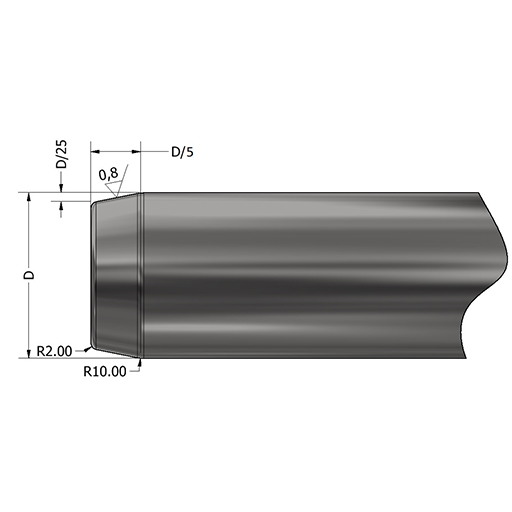
It is important when mounting a CC and CL seal that there is a tapered end on the shaft. The required dimensions are given here in mm.
The seal in the housing is quite tight, this can make assembly a bit difficult. You can, with tact, stretch the seal a little. Use for example something as a smooth handle of a screwdriver.