
Centrifugal Seal (CS)
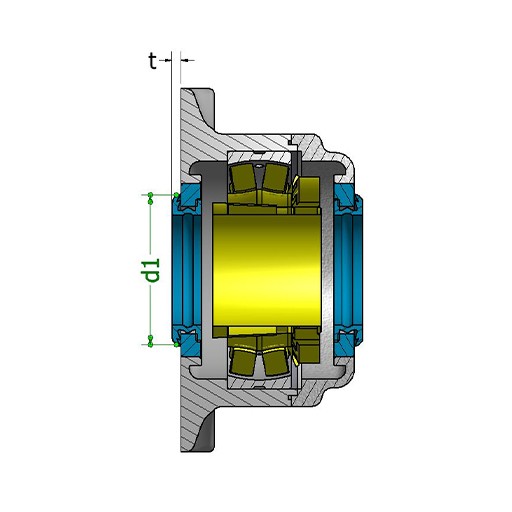
If dust and water get inside a bearing, this leads to premature failure. Therefore choosing the right protective seals is important for the working life of a stainless steel bearing unit. The centrifugal seal (CS) is designed for harsh conditions where there is a risk of contamination.
Why Choose a Centrifugal Seal?
Dusty, abrasive environments are one of the most difficult for bearings. Because when handling powders or in processes generating dust, the protection of bearings against contamination requires special consideration. Radial oil seals, such as the AS and SA seals made of nitrile rubber, are selected mainly for ordinary conditions. But they are generally unsatisfactory in harsh or dusty conditions. Over time, the nitrile rubber is attacked by dirt, water, sand and various other contaminants. Small particles get into the soft material of the rubber. And the lip can cause fretting of the shaft (causing a groove under the lip). Tiny particles of moisture on the shaft can be drawn past the lip. And a jet of water sprayed at high pressure directly at the lip seal penetrates past the seal into the bearing.
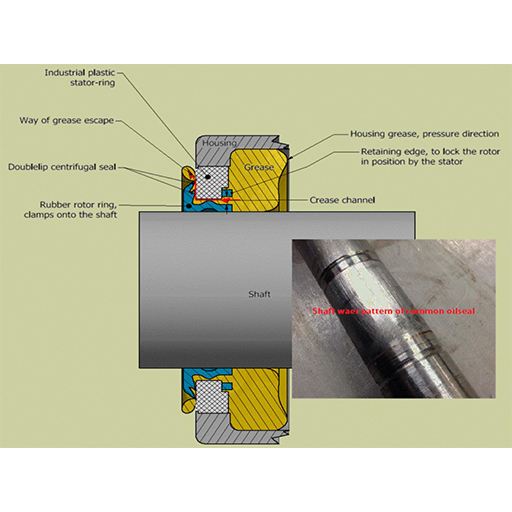
Extreme Bearing has developed the centrifugal seal to solve these problems! Many Extreme Bearing housings feature centrifugal seals specially developed to repel dirt and contaminants using centrifugal force generated by the shaft. The CS seal works for speeds up to 5 m/s and for temperatures from -25°C up to 95°C.
Triple Barrier Bearing Labyrinth Seal
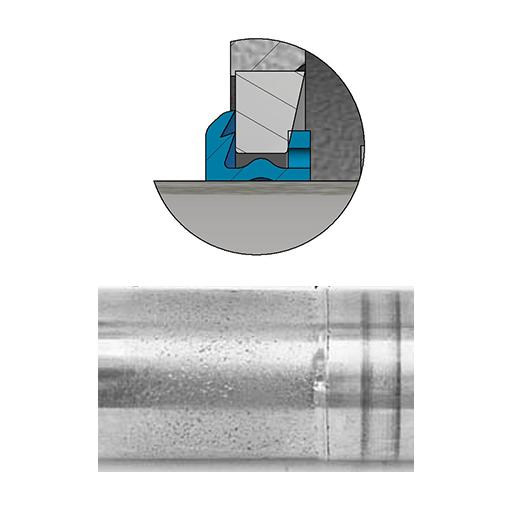
CS seals are superior against sand, dirt and detergents
- Double Lip Centrifugal Seal - Primary barrier using centrifugal force
- Grease-filled Housing - Secondary barrier preventing contamination ingress
- 2-RS Bearing Seal - Tertiary protection integrated into bearing
Firstly, the centrifugal seal made of rubber attached to the shaft provides a primary barrier. Because it repels dirt and contaminants using the centrifugal force generated by the shaft. Secondly, the bearing housing is filled with grease to prevent contaminants from entering and damaging the bearing. Finally, there is a type of bearing seal called 2-RS to protect the bearing.
Working Principle
The rubber of the CS-seal clamps around the shaft and is turning with the shaft vertically against the stator ring. Because the lips are positioned vertically against the stator ring, the dirt will be repelled by the centrifugal force from the sealing lips. The rotor ring can be moved eccentrically in relation to the stator ring. In this way, the centrifugal seal is able to absorb any misalignment of the shaft without creating wear on the rubber lips.
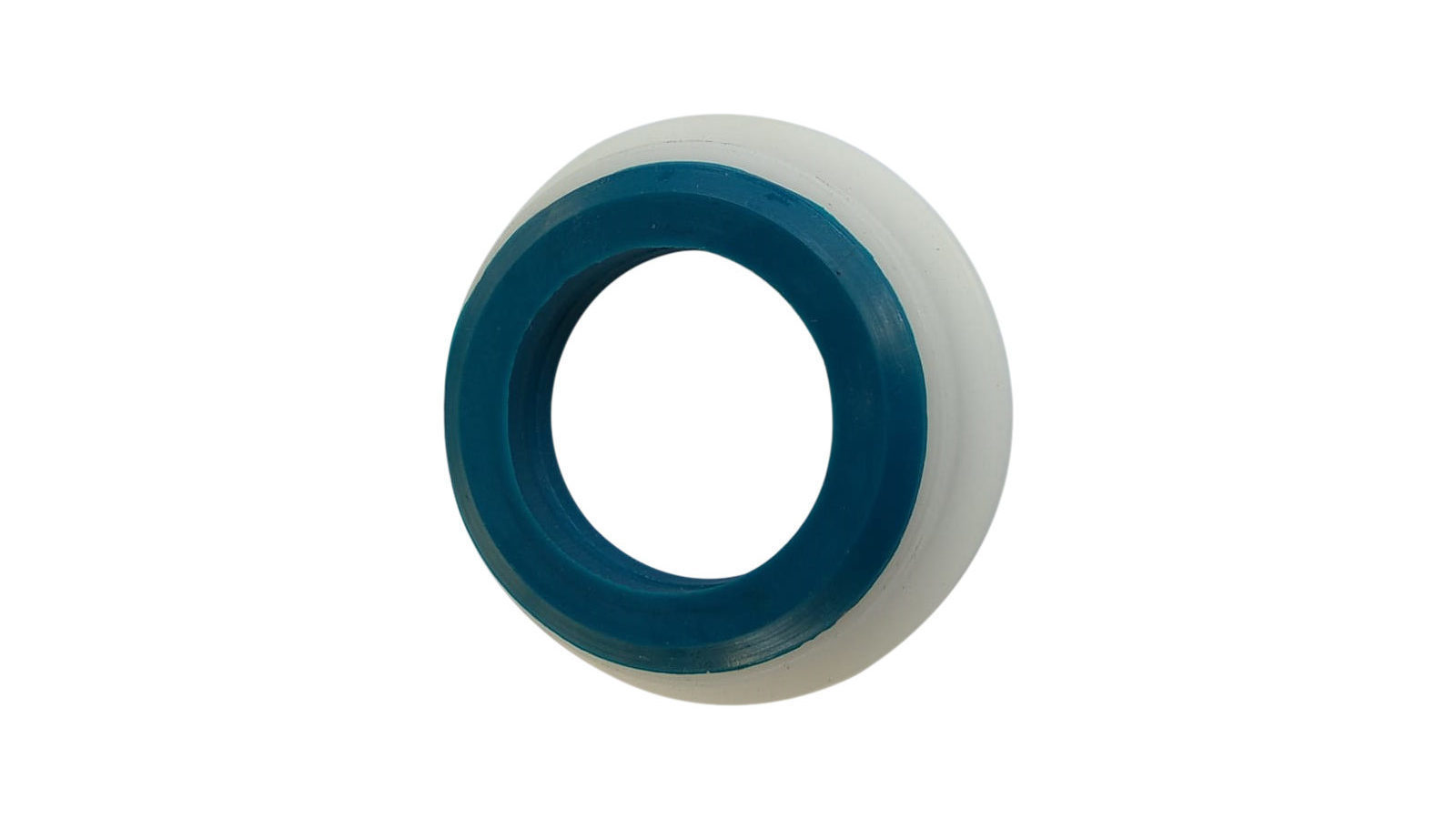
The grease passes the retaining edge through the lubrication channels under the stator ring and between the two sealing lips and stator ring. This makes sure that any dirt is flushed away. The clamping of the rubber rotor ring around the shaft means that the bearing can be assembled even on a shaft which has suffered light surface damage such as a groove.
Key Benefits
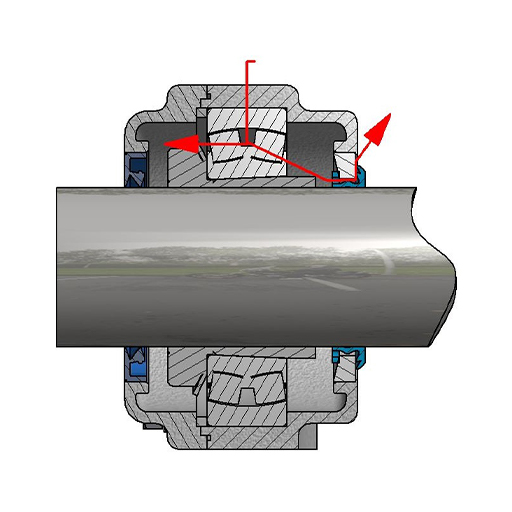
- Centrifugal Force Protection - Uses shaft rotation to repel contaminants
- Double Lip Design - Enhanced sealing capability
- Self-Cleaning Action - Grease flow flushes away dirt
- Misalignment Tolerance - Eccentric movement capability
- Damaged Shaft Tolerance - Can seal on slightly damaged surfaces
- Speed Range - Up to 5 m/s
- Temperature Range - -25°C to 95°C
- Superior to Standard Seals - Outperforms AS/SA seals in harsh conditions
CS Seal Dimensions
When applying the CS bearing labyrinth seal, it must be taken into account that it is not flush with the surface of the housing and expands the dimensions of the housing slightly:
| 20 | 32 | 3 |
| 25 | 40 | 3 |
| 30 | 46 | 3 |
| 35 | 50 | 3 |
| 40 | 60 | 3 |
| 45 | 60 | 3 |
| 50 | 70 | 3 |
| 55 | 70 | 3 |
| 60 | 80 | 3 |
When to Use CS Centrifugal Seals
- Dusty and abrasive environments
- Washdown applications
- High-pressure water spray areas
- Powder handling processes
- Detergent exposure
- Food processing plants
- Agricultural applications
- Mining and quarries
- Any environment where AS/SA seals fail prematurely
The CS centrifugal seal represents a significant advancement in bearing protection technology for harsh environments.
ما الذي تقاومه هذه الأختام – NBR (أختام AS / SA / CS)
تعرض القائمة أدناه المواد الكيميائية والسوائل والغازات التي يقاومها بثبات عنصر الإحكام المصنوع من NBR (المطاط النيتريلي) في أختام AS و SA و CS. تعني العلامة في عمود درجة الحرارة أن الختم يصلح لهذا الوسيط عند تلك الدرجة. الخلايا الفارغة تعني أن الوسيط غير موصى به عند تلك الدرجة — اختر عندها ختمًا أعلى جودة (FKM أو سيليكون أو PTFE).
قيم إرشادية مبنية على جداول التوافق الصناعية (Parker O-Ring Handbook و Trelleborg و ERIKS). يتحمل المستخدم النهائي مسؤولية التحقق من الملاءمة لتطبيقه المحدد — التركيز والضغط والإجهاد الميكانيكي ومدة التعرض كلها مهمة. عند الشك، يرجى التواصل مع Extreme Bearing للحصول على توصية مخصصة.
| المادة الكيميائية | 20°C / 68°F | 60°C / 140°F | 100°C / 212°F |
|---|---|---|---|
| Formaldehyde (40%) | ✓ | ||
| Ascorbic حمض | ✓ | ✓ | |
| Citric حمض | ✓ | ✓ | |
| الأحماض الدهنية (>C6) | ✓ | ||
| Oxalic حمض | ✓ | ||
| Phthalic حمض | ✓ | ||
| Stearic حمض | ✓ | ✓ | |
| Tannic حمض (10%) | ✓ | ✓ | |
| Tartaric حمض | ✓ | ✓ | |
| Boric حمض | ✓ | ✓ | |
| Carbonic حمض | ✓ | ✓ | |
| Silicic حمض | ✓ | ||
| كبريتيتات | ✓ | ✓ | |
| Ammonia, مائي | ✓ | ||
| الصودا الكاوية والبوتاس | ✓ | ||
| Lime (CaO) | ✓ | ✓ | |
| Alum | ✓ | ✓ | ✓ |
| Aluminium كلوريد | ✓ | ✓ | |
| Aluminium كبريتات | ✓ | ✓ | |
| أمونيوم كلوريد | ✓ | ✓ | |
| Brines, مشبع | ✓ | ✓ | |
| Bromide (K) محلول | ✓ | ✓ | |
| Calcium كلوريد | ✓ | ✓ | |
| Chlorates of Na, K, Ba | ✓ | ✓ | |
| Chlorides of Na, K, Ba | ✓ | ✓ | ✓ |
| Copper salts (most) | ✓ | ✓ | |
| Ferric كلوريد | ✓ | ✓ | |
| Ferrous كبريتات | ✓ | ✓ | |
| Lead acetate | ✓ | ||
| Mercuric كلوريد | ✓ | ✓ | |
| Mercury | ✓ | ✓ | ✓ |
| Nickel salts | ✓ | ✓ | |
| نترات Na وK وNH3 | ✓ | ✓ | |
| نتريت (Na) | ✓ | ✓ | |
| Silver نترات | ✓ | ✓ | |
| صوديوم كربونات | ✓ | ✓ | |
| صوديوم silicate | ✓ | ✓ | |
| صوديوم كبريتيد | ✓ | ✓ | |
| Stannic كلوريد | ✓ | ||
| Sulphates (Na, K, Mg, Ca) | ✓ | ✓ | |
| Zinc كلوريد | ✓ | ✓ | |
| Cyclohexane | ✓ | ✓ | |
| Naptha | ✓ | ✓ | |
| Petroleum spirits | ✓ | ✓ | |
| Paraffin wax | ✓ | ✓ | |
| زيوت ديزل | ✓ | ✓ | |
| زيوت معدنية | ✓ | ✓ | |
| زيوت نباتية وحيوانية | ✓ | ✓ | |
| Alcohols | ✓ | ||
| Methanol | ✓ | ||
| Glycerine | ✓ | ✓ | |
| Glycols | ✓ | ✓ | |
| Glycol, ethylene | ✓ | ✓ | |
| Acetylene | ✓ | ✓ | |
| مبردات مفلورة | ✓ | ||
| Sulphur | ✓ | ✓ | |
| ماء مقطر | ✓ | ✓ | |
| ماء عسر منخفض | ✓ | ✓ | |
| ماء عسر | ✓ | ✓ | |
| مياه البحر | ✓ | ✓ | |
| Moist هواء | ✓ | ✓ | |
| Beer | ✓ | ✓ | |
| عصائر الفواكه | ✓ | ✓ | |
| Gelatine | ✓ | ✓ | |
| عصائر اللحوم | ✓ | ✓ | |
| Milk products | ✓ | ✓ | |
| Molasses | ✓ | ✓ | |
| Starch | ✓ | ✓ | |
| Sugar, syrups & jams | ✓ | ✓ | |
| Tallow | ✓ | ✓ | |
| Urea (30%) | ✓ | ✓ | |
| Yeast | ✓ | ✓ | |
| Detergents, synthetic | ✓ | ✓ | |
| Silicone fluids | ✓ | ✓ | |
| مواد مُبللة (<5%) | ✓ | ✓ | |
| Ethanol | ✓ | ||
| Isopropanol (IPA) | ✓ | ||
| Propylene glycol | ✓ | ✓ | |
| ماء/glycol coolant | ✓ | ✓ | |
| سائل هيدروليكي (HL, HLP, HM, معدني) | ✓ | ✓ | |
| سائل هيدروليكي HFA (زيت في ماء) | ✓ | ✓ | |
| سائل هيدروليكي HFC (ماء-جلايكول) | ✓ | ✓ | |
| سائل فرامل (DOT 3/4، جلايكول) | ✓ | ||
| بنزين / petrol | ✓ | ||
| Kerosene | ✓ | ✓ | |
| Jet وقود (JP-4/JP-5/JP-8) | ✓ | ✓ | |
| زيت تدفئة / وقود زيت | ✓ | ✓ | |
| LPG (propane, butane) | ✓ | ✓ | |
| AdBlue (urea محلول 32.5%) | ✓ | ✓ | |
| Transformer زيت | ✓ | ✓ | |
| Turbine زيت | ✓ | ✓ | |
| Gear زيت | ✓ | ✓ | |
| سائل ناقل حركة ATF | ✓ | ✓ | |
| شحم سيليكون | ✓ | ✓ | |
| شحم صابون الليثيوم | ✓ | ✓ | |
| مضغوط هواء, جاف | ✓ | ✓ | |
| Nitrogen (N2) | ✓ | ✓ | ✓ |
| Carbon dioxide (CO2) | ✓ | ✓ | |
| Hydrogen (H2) | ✓ | ✓ | |
| Helium (He) | ✓ | ✓ | ✓ |
| Argon (Ar) | ✓ | ✓ | ✓ |
| Ethylene (C2H4) | ✓ | ✓ | |
| Propylene (C3H6) | ✓ | ✓ | |
| Methane (CH4) | ✓ | ✓ | |
| غاز طبيعي | ✓ | ✓ | |
| Carbon monoxide (CO) | ✓ | ✓ | |
| مبرد R22 (HCFC) | ✓ | ||
| مبرد R134a (HFC) | ✓ | ✓ | |
| مبرد R1234yf (HFO) | ✓ | ✓ | |
| مبرد R717 (أمونيا) | ✓ | ||
| مبرد R744 (CO2) | ✓ | ✓ | |
| نبيذ | ✓ | ✓ | |
| قهوة / شاي | ✓ | ✓ | |
| عصير خضار | ✓ | ✓ | |
| منظف CIP قلوي (1-3%) | ✓ | ||
| Pentane | ✓ | ✓ | |
| Hexane | ✓ | ✓ | |
| Heptane | ✓ | ✓ | |
| Octane | ✓ | ✓ | |
| Isobutylene | ✓ | ||
| Butanol (n-butanol) | ✓ | ||
| n-Propanol | ✓ | ||
| Oleic حمض | ✓ | ||
| Palmitic حمض | ✓ | ||
| Adipic حمض | ✓ | ✓ | |
| Lauric حمض | ✓ | ||
| أمونيوم كبريتات | ✓ | ✓ | |
| أمونيوم نترات | ✓ | ✓ | |
| Copper كبريتات | ✓ | ✓ | |
| Zinc كبريتات | ✓ | ✓ | |
| Magnesium كبريتات | ✓ | ✓ | |
| Magnesium كلوريد | ✓ | ✓ | |
| Barium كلوريد | ✓ | ✓ | |
| بوتاسيوم كلوريد | ✓ | ✓ | ✓ |
| صوديوم thiosulphate | ✓ | ✓ | |
| مبرد R32 (HFC) | ✓ | ✓ | |
| مبرد R410A (خليط HFC) | ✓ | ✓ | |
| مبرد R454B (خليط HFO) | ✓ | ✓ | |
| مبرد R1234ze (HFO) | ✓ | ✓ | |
| مبرد R290 (بروبان) | ✓ | ✓ | |
| مبرد R600a (أيزوبيوتان) | ✓ | ✓ | |
| Sulphur hexafluoride (SF6) | ✓ | ✓ | |
| Nitrous oxide (N2O) | ✓ | ✓ | |
| Olive زيت | ✓ | ✓ | |
| Soybean زيت | ✓ | ✓ | |
| Palm زيت | ✓ | ✓ | |
| Rapeseed (canola) زيت | ✓ | ✓ | |
| Fish زيت | ✓ | ✓ | |
| زبدة | ✓ | ✓ | |
| Cheese curds / whey | ✓ | ✓ | |
| Eggs (raw / سائل) | ✓ | ✓ | |
| خردل | ✓ | ✓ | |
| سائل sugar / glucose syrup | ✓ | ✓ | |
| Quaternary أمونيوم compounds (QACs) | ✓ | ||
| Chlorhexidine محلول | ✓ | ✓ | |
| زيت قطع (مستحلب قابل للذوبان في الماء) | ✓ | ✓ | |
| زيت قطع (نقي، معدني) | ✓ | ✓ | |
| HVO renewable ديزل | ✓ | ✓ | |
| Marine heavy وقود زيت (HFO) | ✓ | ||
| طين حفر (أساس مائي) | ✓ | ||
| طين حفر (أساس زيتي) | ✓ | ✓ | |
| ملاط إسمنتي | ✓ | ||
| ملاط رماد متطاير | ✓ | ✓ | |
| Cyanide محلول (gold mining, NaCN) | ✓ |