
Greasing for Water Resistance
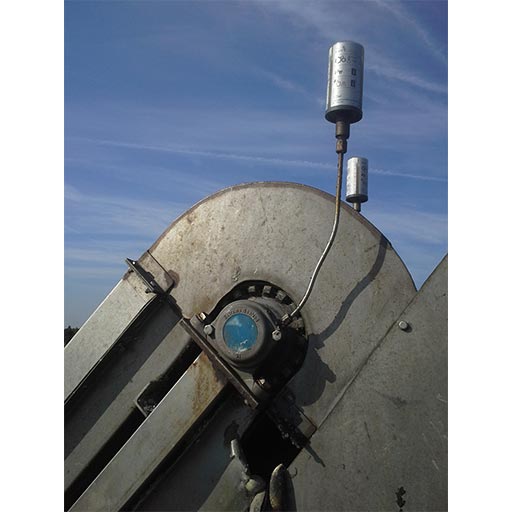
Proper greasing technique is essential for maintaining water resistance in bearing housings. The grease itself acts as an additional sealing barrier when properly applied.
Grease as a Sealing Medium
In addition to lubrication, grease serves as a protective barrier that prevents water and contaminants from reaching the bearing. When the bearing housing is completely filled with grease, it creates a positive pressure that helps expel contaminants.
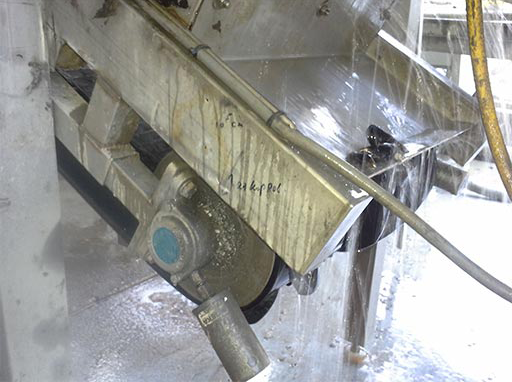
Proper Greasing Technique
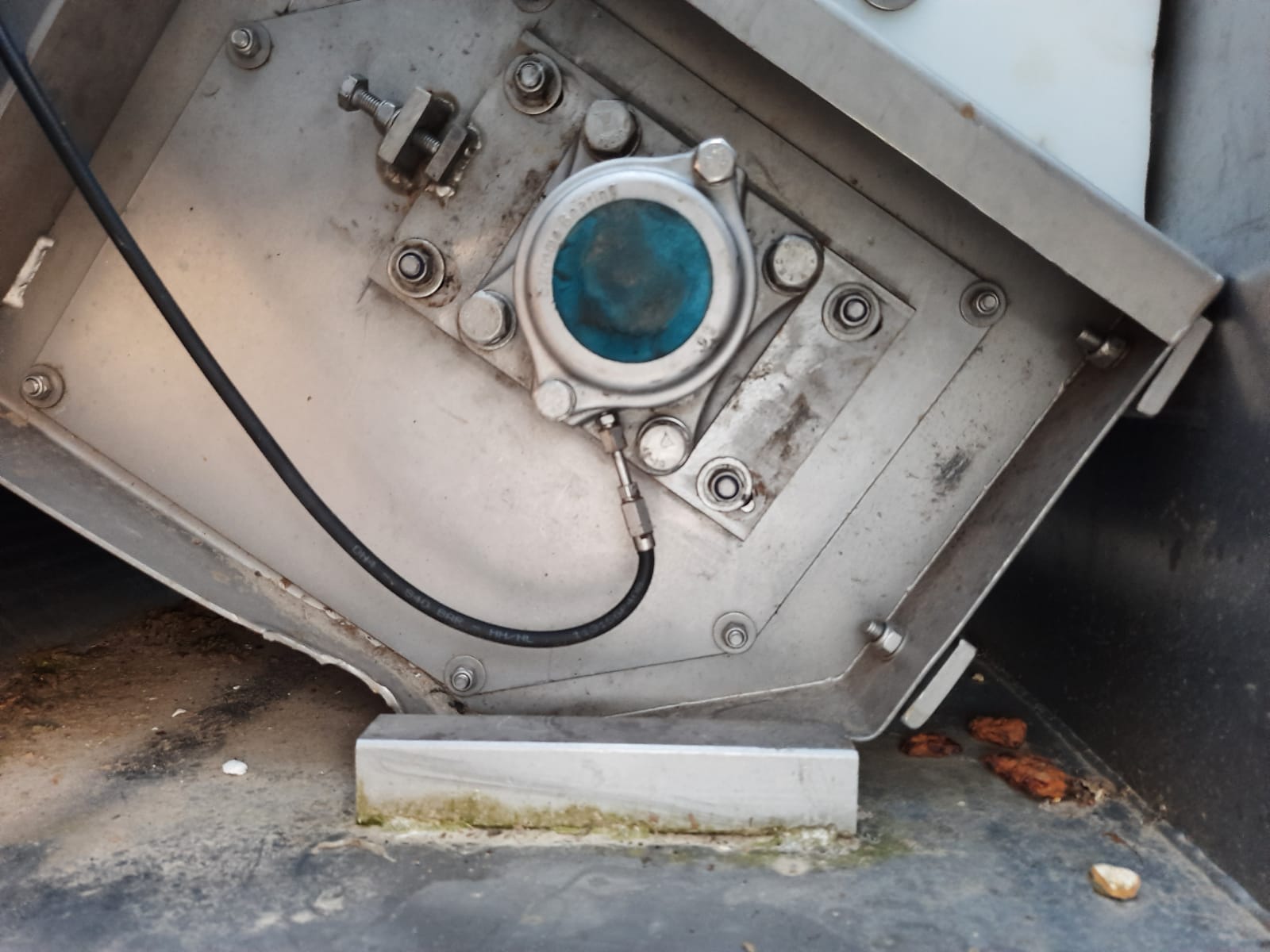
- Initial Fill - Completely fill the housing with compatible grease during installation
- Slow Pumping - Add grease slowly while rotating the bearing by hand
- Air Evacuation - Continue until no air bubbles pass the seals
- Avoid Overpressure - Stop when grease appears at seals (for pressure-tight units like AS/AS, AS/VK, CL/CL, CL/VK, keep cover slightly open during initial greasing)
Regreasing Intervals
For washdown and submersible applications:
- Check grease condition every 3–6 months
- Add grease when water ingress is suspected
- Type E bearings with 2-RS seals: lifetime lubrication
- No regreasing required for Type E (2-RS sealed units)
- Type T bearings: regrease at intervals suited to operating conditions
Water Resistance Tips
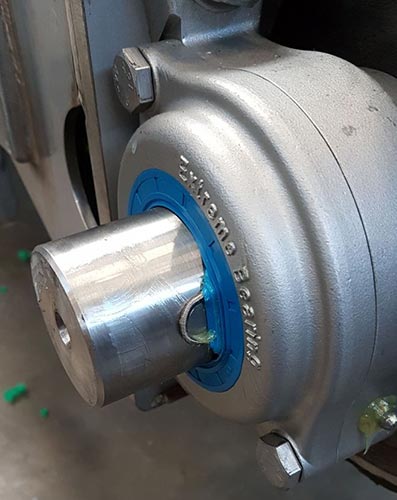
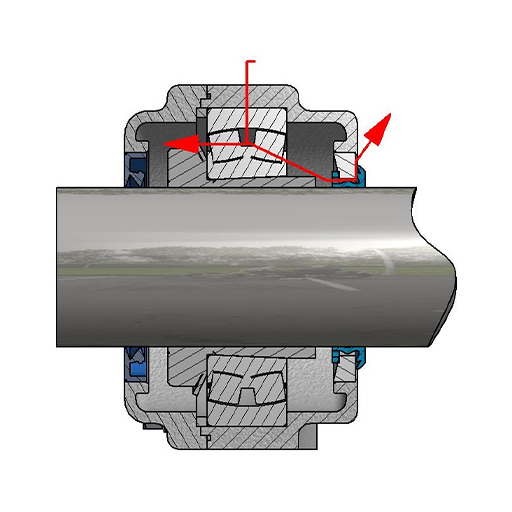
- Use water-resistant grease (NLGI Grade 2 or 3)
- Ensure seals are properly installed before greasing
- In submersible applications, consider Type E bearings with triple protection
- For maximum protection, combine proper greasing with CS or CC seals
Contact us for grease compatibility recommendations for your specific application and seal configuration.