
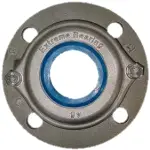
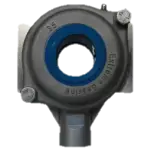
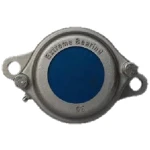
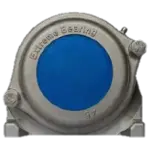

Stainless steel bearing housing grease
Grease plays an important role in extending bearing life
Grease plays an important role in extending bearing life. Lubricating the rolling elements is the primary function, but to achieve this properly it is essential to keep contamination out of the bearing unit. For this purpose, the seals must continue to function effectively, and grease is also important in this process.
Grease therefore serves two purposes:
- Lubricating the bearing
- Maintaining the functionality of the seals
When maintaining seal performance, the grease even becomes part of the sealing system. The gaps between the lips of the centrifugal seal and the stator are filled with grease to help prevent the ingress of dust, dirt, and water.
How much grease should be used in stainless steel extreme bearing units
stainless steel extreme bearing units are not typically factory-filled with grease, so the correct grease quantity must be defined during installation.
Internal grease volume reference
the internal grease volume is not fixed and should be taken from the relevant product datasheet for each specific bearing unit type. it represents the available internal housing space for grease and may vary by design and configuration.
Recommended initial greasing practice
a general guideline is to fill 30% to 50% of the internal volume. the bearing should not be fully packed, as this can affect operating conditions.
for slow-speed applications (operating speed below 50% of the limiting speed), a higher fill level of around 50% to 75% can be used. for higher-speed applications (still below 50% of the limiting speed), a lower fill level of around 30% to 50% is recommended.
Stainless steel extreme bearing units are most often used in slow-moving machinery such as conveyor systems and sorting equipment, where loads are relatively high and speeds are low. considering this, and the typical operating ranges of extreme bearing units (approximately 100 mm diameter at ~1000 rpm down to 25 mm at ~6000 rpm), grease fill level is in most cases not critical as long as the general guidelines are followed.
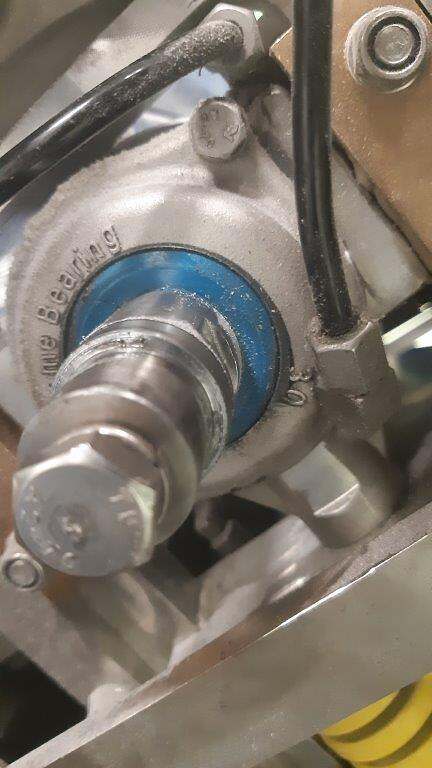
Greasing pressure-tight bearing units
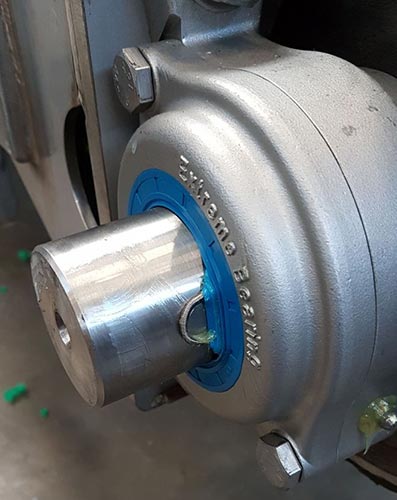
Furthermore, when adding grease during subsequent maintenance, care must always be taken to avoid creating overpressure within the housing.Use a grease gun and pump slowly. Stop immediately if you feel heavy resistance or see grease bulging under the seal to prevent blowing out the seal
Point to consider: It may be advisable to remove the grease nipples and replace them with standard stainless steel screws to prevent incorrect operation.
Greasing pressure-open bearing units
Due to the design of pressure-open seals, the bearing unit cannot be over-greased.
After installation, the housing should be filled with grease until grease begins to escape through the seals. This indicates that the housing is completely filled and that fresh grease has displaced any air pockets and contaminants.
Pressure-open seals are designed to protect the bearing housing from environmental contaminants and moisture. During relubrication, excess grease is expelled through the seal openings, helping to flush away contaminants that may accumulate around the sealing area.
In applications exposed to fine or abrasive particles, the use of an automatic lubrication system is strongly recommended. Continuous or regular grease replenishment helps maintain sealing performance, minimizes contaminant ingress, and contributes to extended bearing service life.
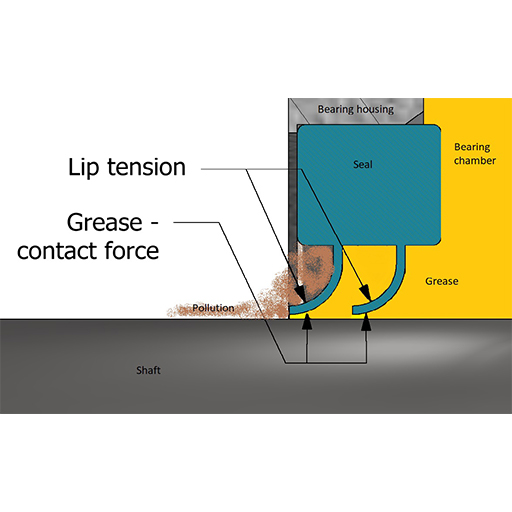
Examples of grease diagrams using AS bearing shaft seals
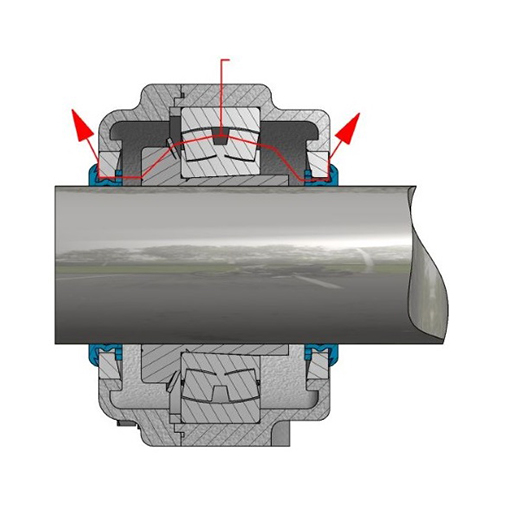
If the contamination is only on one side of the bearing unit, a seal combination can be chosen that is based on refilling the grease on this side. In this way, the contamination along with the grease shall flow away from the sealing lips. An example of such an assembly, a CS-AS combination, is shown in one of the illustrations with the path of the grease shown by the red arrows.
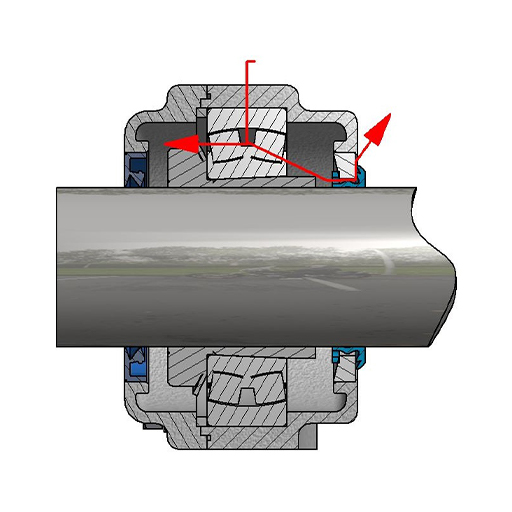
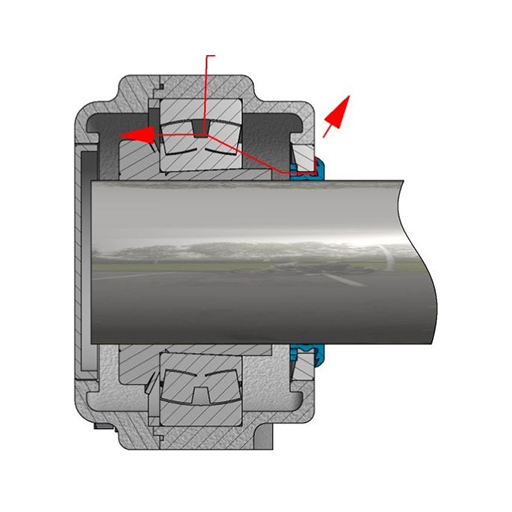
Automatic Lubrication System Recommended for Extended Bearing Life.
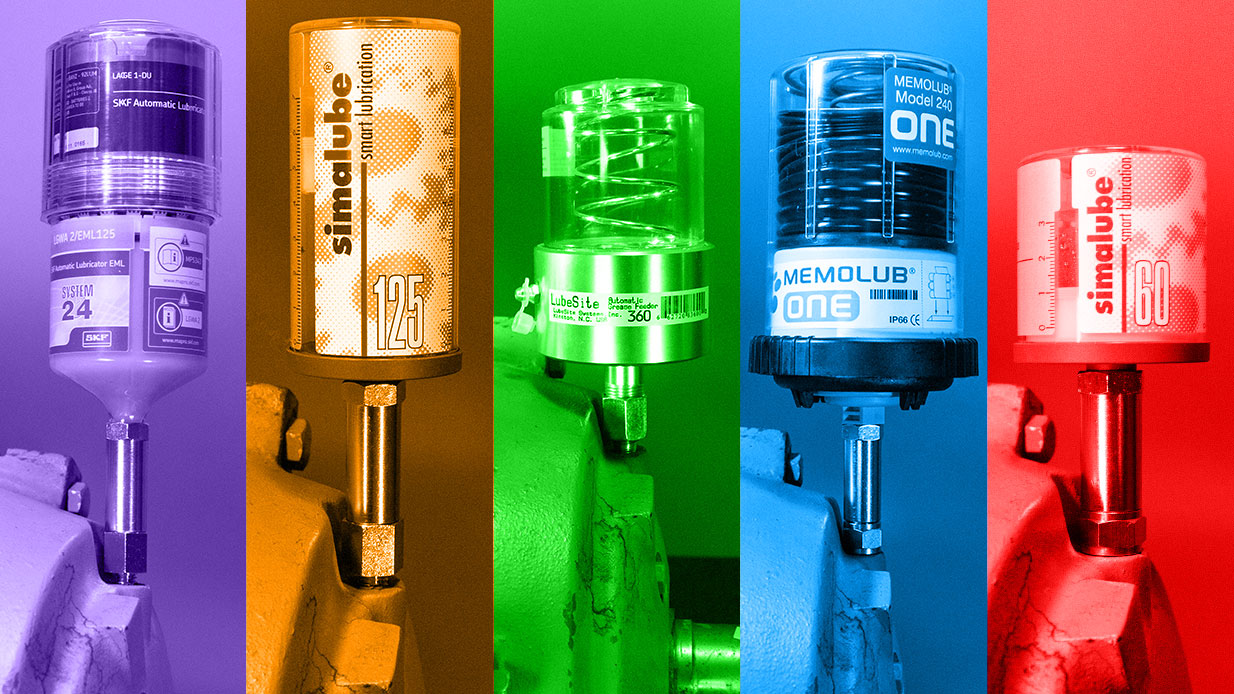
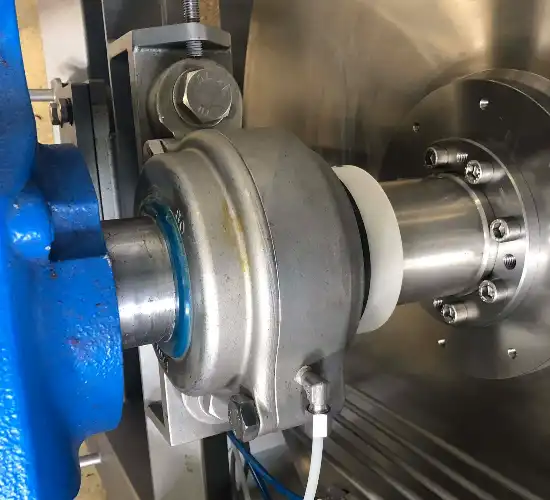
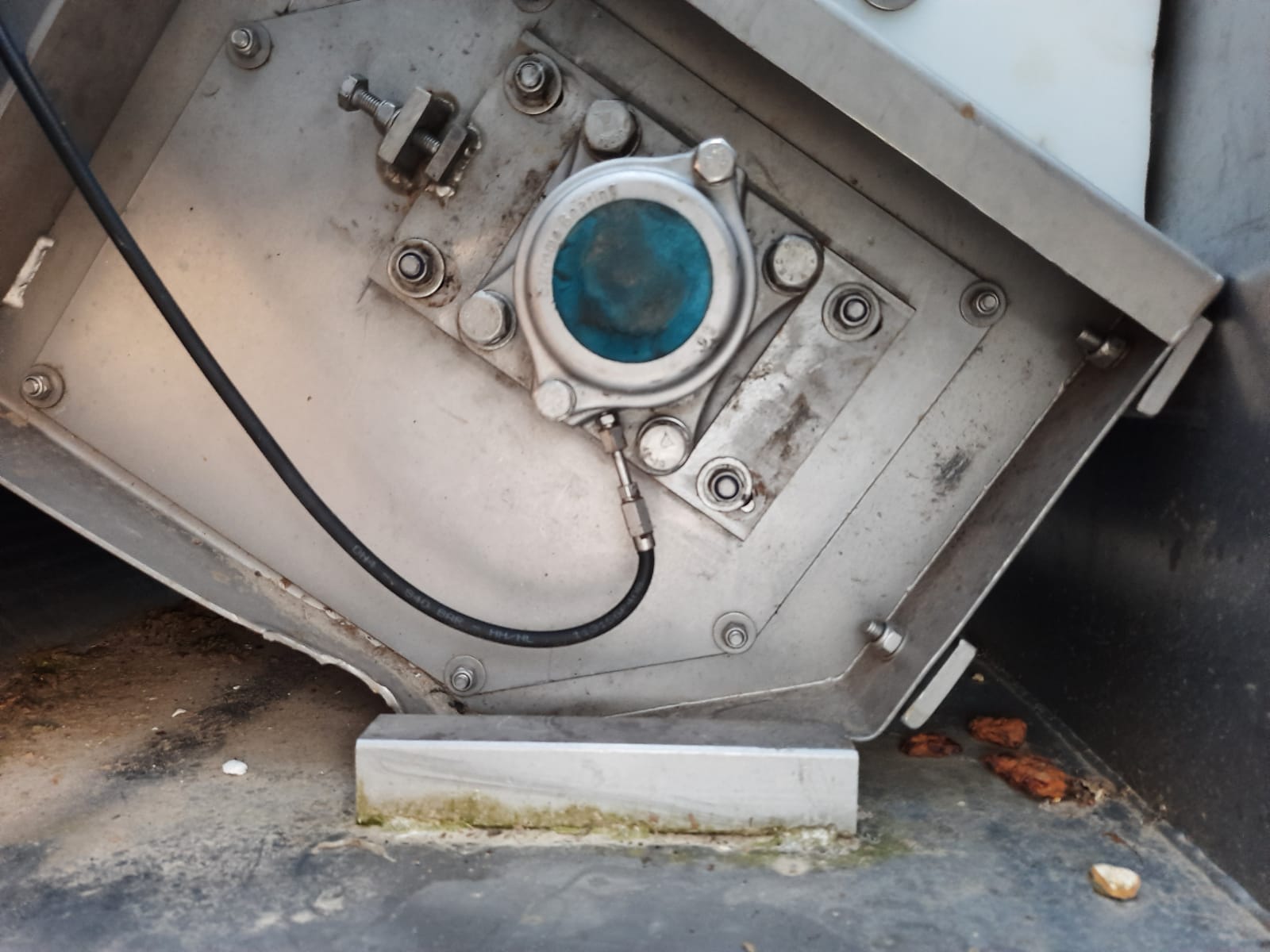
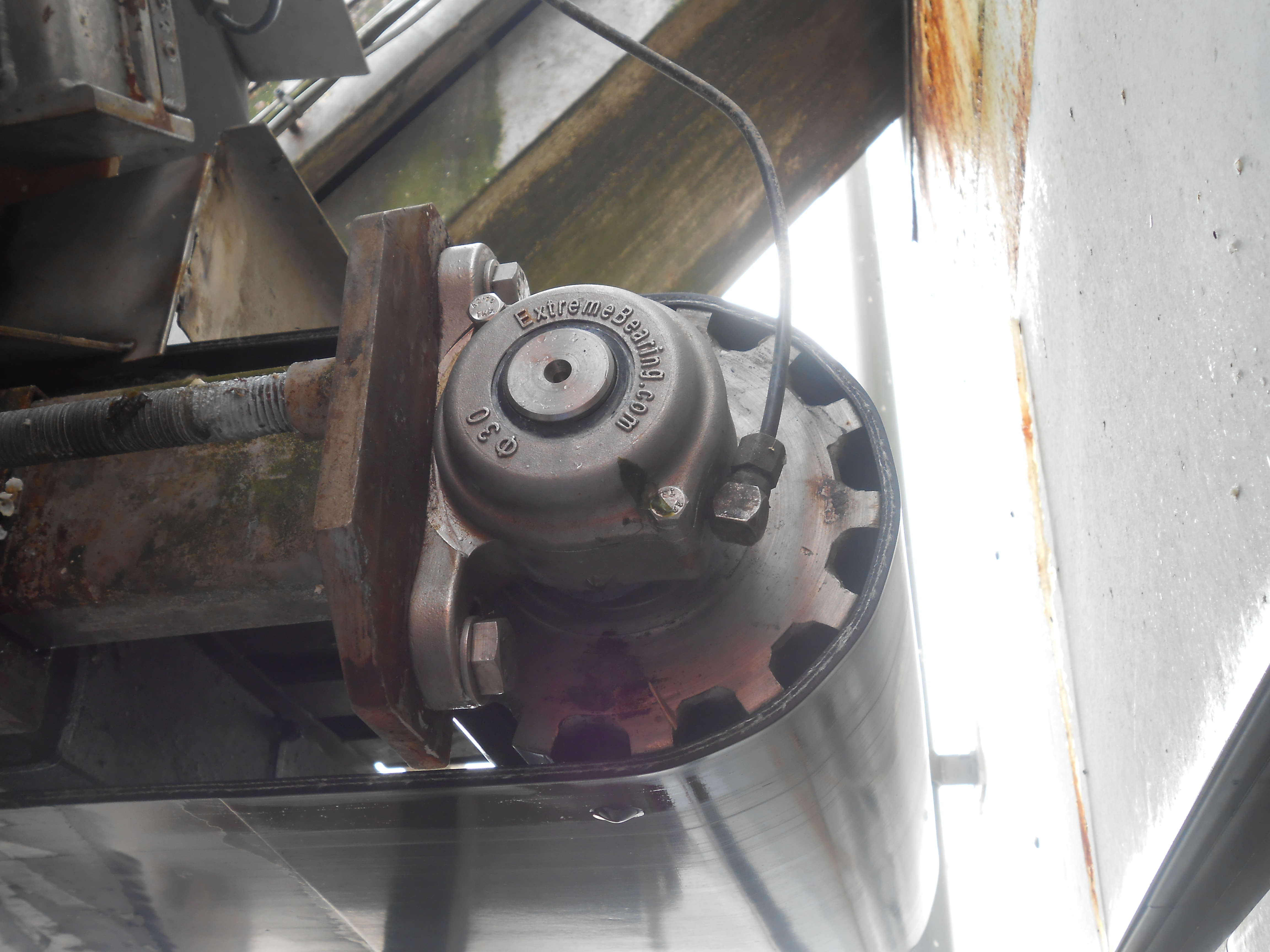
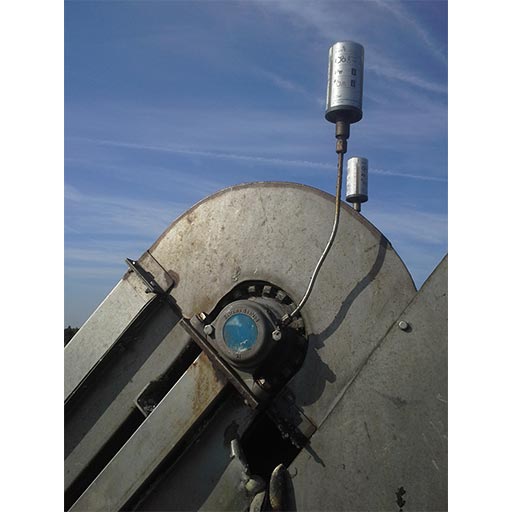
To maximize bearing unit service life, the use of an automatic lubrication system or a single-point lubricator is recommended to ensure regular relubrication.
When grease is supplied gradually, only a small amount is required to maintain effective lubrication of the rolling elements, the sealing lips, and the rotating shaft. This continuous replenishment of fresh grease helps purge abrasive particles, dust, moisture, and other contaminants from the sealing area, thereby reducing seal wear and protecting the bearing’s critical internal components.
As a result, sealing performance is maintained, contaminant ingress is minimized, and overall bearing service life is significantly extended.
What is the recommended lubricant for the Extreme bearings?
As a bearing supplier, we cannot provide a definitive lubrication recommendation for every application. The most appropriate approach is to consult your grease supplier, as the selection of the correct lubricant depends on a variety of operating conditions.
Since the bearings used in our units are standard roller bearings, the lubrication requirements can vary significantly depending on the specific application. In addition, industry-specific requirements may need to be considered, such as FDA-approved greases for food processing applications or lubricants suitable for cleanroom environments.
The following factors should be considered when selecting a lubricant:
- Temperature fluctuations – Bearings exposed to extreme heat or cold may require specialized lubricants to maintain performance.
- RPM (rotational speed) – High-speed applications demand a grease capable of handling heat generation, while low-speed applications may require lubricants that remain effective under minimal movement.
- Duty cycle – Intermittent versus continuous operation can influence the lubrication requirements.
- Applied loads – Both axial and radial loads affect grease performance and service life.
- Vibration and misalignment – These conditions can accelerate grease degradation or cause lubricant displacement from critical contact areas.
- Environmental conditions – The operating environment, such as desert, underwater, offshore, or humid industrial applications, has a significant impact on lubricant performance and durability.
- Compatibility with surrounding materials – The grease must be compatible with seals, elastomers, and other system materials to prevent deterioration or failure.
- Chemical exposure – Applications involving aggressive chemicals, cleaning agents, or process fluids may require chemically resistant lubricants.
- Humidity and moisture – Wet environments, particularly those involving freshwater, seawater, or frequent washdowns, require highly water-resistant greases.
- Maintenance intervals – The availability of maintenance resources and the required relubrication intervals should be considered when selecting a lubricant.
In conclusion, the optimal lubrication solution depends on your operating conditions, environment, and performance requirements. We therefore recommend consulting your grease supplier to ensure that all relevant factors are taken into account and that the most suitable lubricant is selected for your application. Proper lubricant selection is essential for achieving maximum bearing performance and service life.
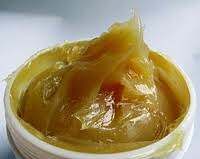
Point to consider : Please note that the chemical composition of the selected grease should not adversely affect the sealing materials used in the bearing housing.