
Radial Bearing Shaft Seals – FM and MF
The FM and MF are specially developed bearing seals with the same construction as the proven AS and SA seals, but manufactured from a high-quality elastomer that offers significantly higher temperature and chemical resistance. This makes these seals ideal for environments where standard seals fall short. Like the AS and SA, the FM and MF seals are mirror images of each other.
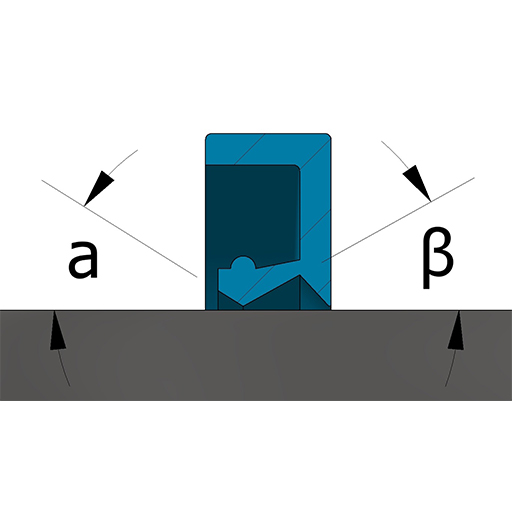
The seals consist of a chemically resistant sealing lip, a metal housing, a stainless steel (SS) garter spring, and an external dust lip.
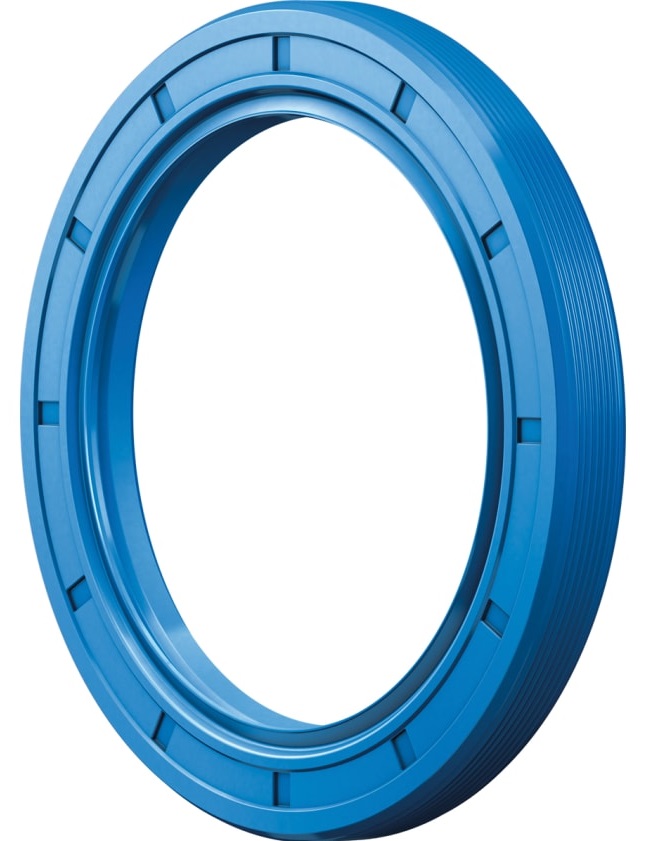
FM & MF Seal Specifications
- Temperature range: Resistant to temperatures from -20°C to +200°C.
- Speed: Suitable for shaft speeds up to 10 m/s.
- Misalignment: Suitable for a misalignment of approximately 3° (for shaft diameters up to 100 mm).
- Construction: Equipped with a stainless steel garter spring for optimal tension.
- Chemical resistance: Excellent resistance against oils, fuels, acids, and solvents.
When to Choose FM/MF Instead of AS/SA?
- The ambient temperature is higher than 90°C.
- There is contact with aggressive chemicals, oils, or fuels.
- A longer service life in chemically demanding environments is desired.
The FM Seal
The FM seal, like the AS seal, is pressure-tight. The pressure of the lubricating grease pushes the sealing lip more tightly against the shaft. This means the bearing cannot be re-greased through the seal.
Application of the FM Seal:
- Must be used in combination with a CS or CC seal, or as an FM-FM / FM-VK configuration.
- Suitable for environments without abrasive contamination.
- Perfect for fully closing a bearing housing into a maintenance-free unit.

Mounting tip
During initial greasing, it is necessary to keep the cap slightly open to allow trapped air to escape.
The MF Seal
The MF seal is the mirror image of the FM seal and is mounted on the opposite side of the bearing housing. It shares all the same material properties — the high temperature resistance (-20°C to +200°C) and excellent chemical resistance against oils, fuels, acids, and solvents.
What These Seals Resist – FKM / Viton (FM / MF Seals)
The list below shows the chemicals, fluids and gases against which the FKM (Viton) sealing element of FM and MF seals is reliably resistant. A check mark in a temperature column means the seal can handle that medium at that temperature. Empty cells indicate that the medium is not recommended at that temperature — consider a PTFE seal (CC / CL) for those cases.
Indicative values based on industry compatibility charts (Parker O-Ring Handbook, Trelleborg, ERIKS). The end user is responsible for validating suitability for their specific application — concentration, pressure, mechanical stress and exposure time matter. When in doubt, contact Extreme Bearing for a tailored recommendation.
| Chemical | 20°C / 68°F | 60°C / 140°F | 100°C / 212°F |
|---|---|---|---|
| Formaldehyde (40%) | ✓ | ✓ | |
| Ascorbic acid | ✓ | ✓ | ✓ |
| Benzoic acid | ✓ | ✓ | |
| Citric acid | ✓ | ✓ | ✓ |
| Fatty acids (>C6) | ✓ | ✓ | ✓ |
| Glycolic acid | ✓ | ||
| Lactic acid (90%) | ✓ | ✓ | |
| Maleic acid | ✓ | ✓ | |
| Oxalic acid | ✓ | ✓ | |
| Phthalic acid | ✓ | ✓ | |
| Picric acid | ✓ | ||
| Stearic acid | ✓ | ✓ | ✓ |
| Tannic acid (10%) | ✓ | ✓ | ✓ |
| Tartaric acid | ✓ | ✓ | ✓ |
| Vinegar | ✓ | ||
| Acetyl salicylic acid | ✓ | ||
| Boric acid | ✓ | ✓ | ✓ |
| Carbonic acid | ✓ | ✓ | ✓ |
| Hydrobromic acid (50%) | ✓ | ✓ | |
| Hydrochloric acid (10%) | ✓ | ✓ | |
| Hydrochloric acid (conc.) | ✓ | ||
| Hydrocyanic acid | ✓ | ✓ | |
| Hydrofluoric acid (40%) | ✓ | ||
| Nitric acid (<25%) | ✓ | ✓ | |
| Nitric acid (50%) | ✓ | ||
| Phosphoric acid (20%) | ✓ | ✓ | |
| Phosphoric acid (50%) | ✓ | ||
| Silicic acid | ✓ | ✓ | ✓ |
| Sulphuric acid (<50%) | ✓ | ✓ | |
| Sulphuric acid (70%) | ✓ | ||
| Sulphuric acid (95%) | ✓ | ||
| Sulphamic acid | ✓ | ||
| Sulphites | ✓ | ✓ | ✓ |
| Sulphonic acids | ✓ | ||
| Sulphur chlorides | ✓ | ||
| Chromic acid (80%) | ✓ | ||
| Lime (CaO) | ✓ | ||
| Alum | ✓ | ✓ | ✓ |
| Aluminium chloride | ✓ | ✓ | ✓ |
| Aluminium sulphate | ✓ | ✓ | ✓ |
| Ammonium chloride | ✓ | ✓ | ✓ |
| Antimony trichloride | ✓ | ✓ | |
| Brines, saturated | ✓ | ✓ | ✓ |
| Bromide (K) solution | ✓ | ✓ | ✓ |
| Calcium chloride | ✓ | ✓ | ✓ |
| Chlorates of Na, K, Ba | ✓ | ✓ | ✓ |
| Chlorides of Na, K, Ba | ✓ | ✓ | ✓ |
| Copper salts (most) | ✓ | ✓ | ✓ |
| Ferric chloride | ✓ | ✓ | ✓ |
| Ferrous sulphate | ✓ | ✓ | ✓ |
| Lead acetate | ✓ | ✓ | |
| Lead perchlorate | ✓ | ||
| Manganate, potassium (K) | ✓ | ||
| Mercuric chloride | ✓ | ✓ | ✓ |
| Mercury | ✓ | ✓ | ✓ |
| Nickel salts | ✓ | ✓ | ✓ |
| Nitrates of Na, K and NH3 | ✓ | ✓ | ✓ |
| Nitrite (Na) | ✓ | ✓ | ✓ |
| Silver nitrate | ✓ | ✓ | ✓ |
| Sodium carbonate | ✓ | ✓ | |
| Sodium peroxide | ✓ | ||
| Sodium silicate | ✓ | ✓ | ✓ |
| Sodium sulphide | ✓ | ✓ | ✓ |
| Stannic chloride | ✓ | ✓ | |
| Sulphates (Na, K, Mg, Ca) | ✓ | ✓ | ✓ |
| Zinc chloride | ✓ | ✓ | ✓ |
| Phosphorous chlorides | ✓ | ||
| Phosphorous pentoxide | ✓ | ||
| Hypochlorites | ✓ | ||
| Hypochlorites (Na 12-14%) | ✓ | ||
| Cyclohexane | ✓ | ✓ | ✓ |
| Naptha | ✓ | ✓ | ✓ |
| Petroleum spirits | ✓ | ✓ | ✓ |
| Paraffin wax | ✓ | ✓ | ✓ |
| Oils, diesel | ✓ | ✓ | ✓ |
| Oils, essential | ✓ | ✓ | |
| Oils, lubricating + aromatic additives | ✓ | ✓ | ✓ |
| Oils, mineral | ✓ | ✓ | ✓ |
| Oils, vegetable and animal | ✓ | ✓ | ✓ |
| Aromatic solvents | ✓ | ✓ | |
| Benzene | ✓ | ✓ | |
| Napthalene | ✓ | ✓ | |
| Nitrobenzene | ✓ | ||
| Phenol | ✓ | ✓ | |
| Carbon tetrachloride | ✓ | ✓ | |
| Chlorobenzene | ✓ | ||
| Chloroform | ✓ | ||
| Trichlorethylene | ✓ | ✓ | |
| Carbon disulphide | ✓ | ✓ | |
| Alcohols | ✓ | ✓ | |
| Glycerine | ✓ | ✓ | ✓ |
| Glycols | ✓ | ||
| Glycol, ethylene | ✓ | ||
| Acetylene | ✓ | ✓ | ✓ |
| Benzoyl peroxide | ✓ | ||
| Bromine | ✓ | ||
| Bromine liquid, tech. | ✓ | ||
| Bromine water, saturated aqueous | ✓ | ||
| Chlorine, dry | ✓ | ||
| Chlorine, wet | ✓ | ||
| Hydrogen peroxide (30%) | ✓ | ✓ | |
| Hydrogen peroxide (30-90%) | ✓ | ||
| Hydrogen sulphide | ✓ | ✓ | |
| Ozone | ✓ | ✓ | ✓ |
| Fluorinated refrigerants | ✓ | ✓ | |
| Sulphur | ✓ | ✓ | ✓ |
| Sulphur dioxide, dry | ✓ | ✓ | |
| Sulphur dioxide, wet | ✓ | ✓ | |
| Sulphur dioxide (96%) | ✓ | ||
| Sulphur trioxide | ✓ | ||
| Water, distilled | ✓ | ||
| Water, soft | ✓ | ||
| Water, hard | ✓ | ||
| Sea water | ✓ | ||
| Moist air | ✓ | ✓ | |
| Beer | ✓ | ✓ | ✓ |
| Fruit juices | ✓ | ✓ | |
| Gelatine | ✓ | ✓ | ✓ |
| Meat juices | ✓ | ✓ | ✓ |
| Milk products | ✓ | ✓ | |
| Molasses | ✓ | ✓ | ✓ |
| Starch | ✓ | ✓ | ✓ |
| Sugar, syrups & jams | ✓ | ✓ | ✓ |
| Tallow | ✓ | ✓ | ✓ |
| Urea (30%) | ✓ | ✓ | |
| Yeast | ✓ | ✓ | ✓ |
| Detergents, synthetic | ✓ | ✓ | |
| Emulsifiers, concentrated | ✓ | ||
| Silicone fluids | ✓ | ✓ | ✓ |
| Wetting agents (<5%) | ✓ | ✓ | |
| Ethanol | ✓ | ✓ | |
| Isopropanol (IPA) | ✓ | ✓ | |
| Propylene glycol | ✓ | ||
| Water/glycol coolant | ✓ | ||
| Hydraulic fluid (HL, HLP, HM, mineral) | ✓ | ✓ | ✓ |
| Hydraulic fluid HFA (oil-in-water) | ✓ | ||
| Hydraulic fluid HFC (water-glycol) | ✓ | ||
| Gasoline / petrol | ✓ | ✓ | |
| Gasoline E10 (10% ethanol) | ✓ | ✓ | |
| Kerosene | ✓ | ✓ | ✓ |
| Jet fuel (JP-4/JP-5/JP-8) | ✓ | ✓ | ✓ |
| Heating oil / fuel oil | ✓ | ✓ | ✓ |
| LPG (propane, butane) | ✓ | ✓ | ✓ |
| Biodiesel (B100, FAME) | ✓ | ||
| AdBlue (urea solution 32.5%) | ✓ | ✓ | |
| Transformer oil | ✓ | ✓ | ✓ |
| Turbine oil | ✓ | ✓ | ✓ |
| Gear oil | ✓ | ✓ | ✓ |
| ATF transmission fluid | ✓ | ✓ | ✓ |
| Silicone grease | ✓ | ✓ | ✓ |
| Lithium-soap grease | ✓ | ✓ | ✓ |
| Hot air | ✓ | ✓ | ✓ |
| Compressed air, dry | ✓ | ✓ | ✓ |
| Nitrogen (N2) | ✓ | ✓ | ✓ |
| Oxygen (O2) | ✓ | ✓ | |
| Carbon dioxide (CO2) | ✓ | ✓ | ✓ |
| Hydrogen (H2) | ✓ | ✓ | ✓ |
| Helium (He) | ✓ | ✓ | ✓ |
| Argon (Ar) | ✓ | ✓ | ✓ |
| Ethylene (C2H4) | ✓ | ✓ | |
| Propylene (C3H6) | ✓ | ✓ | |
| Methane (CH4) | ✓ | ✓ | ✓ |
| Natural gas | ✓ | ✓ | ✓ |
| Carbon monoxide (CO) | ✓ | ✓ | ✓ |
| Nitric oxide (NO/NO2) | ✓ | ✓ | |
| Refrigerant R134a (HFC) | ✓ | ✓ | |
| Refrigerant R1234yf (HFO) | ✓ | ✓ | |
| Refrigerant R744 (CO2) | ✓ | ✓ | ✓ |
| Ozone (atmospheric, weathering) | ✓ | ✓ | ✓ |
| UV / sunlight | ✓ | ✓ | ✓ |
| Wine | ✓ | ✓ | ✓ |
| Coffee / tea | ✓ | ✓ | |
| Vegetable juice | ✓ | ✓ | |
| CIP cleaner, acid (HNO3 1-3%) | ✓ | ✓ | |
| Sodium hypochlorite bleach | ✓ | ||
| Ozone in water (water treatment) | ✓ | ✓ | |
| Toluene | ✓ | ✓ | |
| Xylene | ✓ | ✓ | |
| Styrene monomer | ✓ | ||
| Pentane | ✓ | ✓ | ✓ |
| Hexane | ✓ | ✓ | ✓ |
| Heptane | ✓ | ✓ | ✓ |
| Octane | ✓ | ✓ | ✓ |
| Vinyl chloride monomer (VCM) | ✓ | ||
| 1,3-Butadiene | ✓ | ✓ | |
| Isobutylene | ✓ | ✓ | |
| Perchloroethylene (PERC) | ✓ | ✓ | |
| 1,1,1-Trichloroethane | ✓ | ✓ | |
| Butanol (n-butanol) | ✓ | ✓ | |
| n-Propanol | ✓ | ✓ | |
| Benzyl alcohol | ✓ | ||
| Propionic acid | ✓ | ||
| Butyric acid | ✓ | ||
| Oleic acid | ✓ | ✓ | |
| Palmitic acid | ✓ | ✓ | |
| Adipic acid | ✓ | ✓ | ✓ |
| Lauric acid | ✓ | ✓ | |
| Ammonium sulphate | ✓ | ✓ | ✓ |
| Ammonium nitrate | ✓ | ✓ | ✓ |
| Copper sulphate | ✓ | ✓ | ✓ |
| Zinc sulphate | ✓ | ✓ | ✓ |
| Magnesium sulphate | ✓ | ✓ | ✓ |
| Magnesium chloride | ✓ | ✓ | ✓ |
| Barium chloride | ✓ | ✓ | ✓ |
| Potassium chloride | ✓ | ✓ | ✓ |
| Sodium thiosulphate | ✓ | ✓ | ✓ |
| Potassium permanganate | ✓ | ||
| Potassium dichromate | ✓ | ||
| Refrigerant R32 (HFC) | ✓ | ✓ | |
| Refrigerant R410A (HFC blend) | ✓ | ✓ | |
| Refrigerant R454B (HFO blend) | ✓ | ✓ | |
| Refrigerant R1234ze (HFO) | ✓ | ✓ | |
| Refrigerant R290 (propane) | ✓ | ✓ | ✓ |
| Refrigerant R600a (isobutane) | ✓ | ✓ | ✓ |
| Sulphur hexafluoride (SF6) | ✓ | ✓ | ✓ |
| Nitrous oxide (N2O) | ✓ | ✓ | ✓ |
| Hydrogen chloride (gas, dry) | ✓ | ✓ | |
| Hydrogen bromide (gas, dry) | ✓ | ||
| Chlorine dioxide gas | ✓ | ||
| Phosgene | ✓ | ||
| Silane (SiH4) | ✓ | ✓ | |
| Olive oil | ✓ | ✓ | ✓ |
| Soybean oil | ✓ | ✓ | ✓ |
| Palm oil | ✓ | ✓ | ✓ |
| Rapeseed (canola) oil | ✓ | ✓ | ✓ |
| Fish oil | ✓ | ✓ | ✓ |
| Butter | ✓ | ✓ | ✓ |
| Cheese curds / whey | ✓ | ✓ | ✓ |
| Eggs (raw / liquid) | ✓ | ✓ | ✓ |
| Salad dressing (oil + vinegar) | ✓ | ✓ | |
| Mustard | ✓ | ✓ | ✓ |
| Liquid sugar / glucose syrup | ✓ | ✓ | ✓ |
| Peracetic acid | ✓ | ||
| Quaternary ammonium compounds (QACs) | ✓ | ✓ | |
| Chlorhexidine solution | ✓ | ✓ | |
| Iodine solution (povidone-iodine) | ✓ | ✓ | |
| Cutting oil (water-soluble emulsion) | ✓ | ||
| Cutting oil (neat, mineral) | ✓ | ✓ | ✓ |
| HVO renewable diesel | ✓ | ✓ | ✓ |
| Marine heavy fuel oil (HFO) | ✓ | ✓ | |
| Drilling mud (water-based) | ✓ | ||
| Drilling mud (oil-based) | ✓ | ✓ | ✓ |
| Sour gas (H2S-rich natural gas) | ✓ | ✓ | |
| Black liquor (pulp & paper) | ✓ | ✓ | |
| White liquor (pulp & paper) | ✓ | ||
| Cement slurry | ✓ | ✓ | |
| Fly ash slurry | ✓ | ✓ | |
| Cyanide solution (gold mining, NaCN) | ✓ | ✓ | |
| Mining flotation reagents (xanthates) | ✓ | ||
| Printing ink solvents | ✓ | ||
| Paint thinner / white spirit | ✓ | ✓ |
Not suitable for abrasive environments
The FM and MF seals, like the AS and SA, are not suitable for applications where there is a risk of contamination from abrasive materials. For this type of application, use our CS design.